

Construction insurance is a vital component of the building process, providing financial protection to contractors, project owners, and other stakeholders involved in construction projects. It is a specialised type of insurance that covers risks associated with construction, such as accidents, damage to property, and unforeseen events. The importance of construction insurance cannot be overstated, as it helps protect against unexpected losses and ensures that projects are completed on time and within budget. One way to maximise the benefits of construction insurance is by bundling various policies together. This approach allows parties to save money while obtaining comprehensive coverage for their construction projects.
Types of Construction Insurance Policies
General Liability Insurance
General liability insurance protects against third-party claims of bodily injury or property damage arising from business operations. In construction, this includes injuries to workers, damages to neighbouring properties, and defective workmanship. Coverage typically includes legal defence costs and damages up to the policy limit. Having adequate general liability insurance is crucial in construction as it shields contractors and project owners from financial loss due to unforeseen events. It also demonstrates a commitment to safety and responsibility, which can help attract clients and build trust. In many cases, project owners require contractors to carry a certain level of general liability insurance before awarding a contract.
Professional Liability Insurance
Professional liability insurance protects professionals against negligence, mistakes, or failure to perform their services properly. In construction, this includes architects, engineers, surveyors, and other design professionals who may be held liable for faulty designs, incorrect calculations, or missed deadlines. Coverage typically includes legal defence costs and damages awarded in a lawsuit. For construction professionals, having professional liability insurance is essential to safeguard their reputation and financial well-being. It can also provide peace of mind for clients, who may be hesitant to engage a professional without proper insurance coverage. Many professional associations and regulatory bodies require members to carry a minimum level of professional liability insurance.
Builder’s Risk Insurance
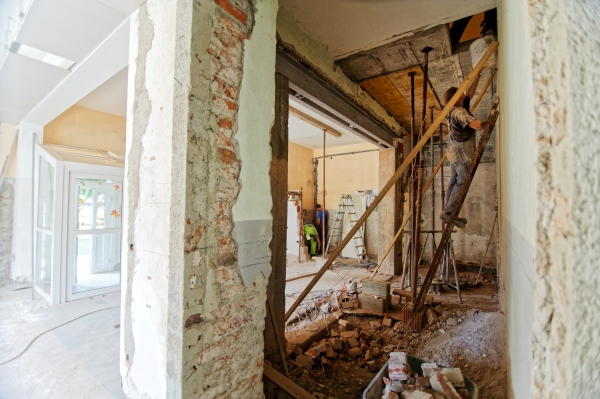
Builder’s risk insurance is a type of property insurance that covers buildings under construction, renovation, or installation. It protects the interest of the builder, owner, and lending institutions against physical loss or damage to the project. Coverage includes materials, labour, and equipment, as well as accidental damage, fire, theft, and natural disasters. Builder’s risk insurance is significant for construction projects because it provides financial security during the construction phase when the project is most vulnerable to damage or loss. It can also cover soft costs, such as engineering fees, permit expenses, and additional interest charges. By transferring the risk to an insurer, builder’s risk insurance allows construction professionals to focus on completing the project successfully while minimising potential financial setbacks.
Advantages of Bundling Insurance Policies
Cost Savings
Bundling multiple insurance policies can result in significant cost savings for several reasons. Firstly, bundling policies streamlines the underwriting process for the insurer, reducing their administrative costs. Bundling policies can also eliminate the need for duplicate coverage, resulting in more efficient use of resources and reduced costs for both the insured and the insurer. For example, if a construction company purchases a bundle of insurance policies including general liability, professional liability, and builder’s risk insurance, they may receive a discount on each policy compared to purchasing them separately. Additionally, the company may be able to reduce its overall premium spend by eliminating redundant coverage and optimising policy limits.
Simplified Management
One of the key advantages of bundling insurance policies is the ease of managing just one policy instead of multiple ones. When all policies are combined into a single package, it becomes much simpler to keep track of renewal dates, coverage limits, and deductibles. This reduces the administrative burden on the construction company, allowing them to focus on their core business activities rather than devoting valuable resources to managing insurance paperwork. With a bundled policy, the company can easily monitor and adjust their coverage as needed, making sure they are always adequately protected without having to juggle multiple policies.
Consistent Coverage
Another benefit of bundling insurance policies is the elimination of coverage gaps that can arise when separate policies have different effective dates, renewal dates, or coverage limits. With a bundled policy, the construction company can ensure consistent coverage across all aspects of their business, avoiding potentially costly gaps in protection. This enhanced risk management enables the company to better mitigate risks and respond to unexpected events, knowing that they have comprehensive coverage in place. Moreover, consistent coverage helps to reduce the likelihood of disputes or misunderstandings between different insurance providers, streamlining the claims process and ensuring that the company receives the support they need when they need it.
Customised Policy Packages
Customised policy packages offer tailored solutions for specific project needs, providing flexibility and adaptability to address unique risks and requirements. By working closely with an insurance provider, construction companies can create a bespoke package that takes into account factors such as project scope, location, duration, and value. This tailored approach ensures that the company has the appropriate level of coverage for each project, without paying for unnecessary coverage. Customised policy packages can also be adapted as projects evolve, allowing companies to respond quickly to changing circumstances and maintain optimal levels of protection throughout the project lifecycle. This flexibility is particularly useful for construction companies operating in rapidly changing markets or undertaking complex, high-value projects.
Considerations When Bundling Policies

When considering bundling insurance policies, it’s important to carefully assess the scope of coverage needed for your construction business. This involves identifying the types of risks you want to insure against, such as property damage, personal injury, or environmental hazards, and determining the level of coverage required for each risk. It’s also important to understand the terms and limitations of the policy, including any exclusions, deductibles, and coverage limits.
It’s important to carefully review the policy documents and seek professional advice from an insurance provider such as Construction Insure if necessary. Make sure you understand the policy terms and conditions, including any exclusions or limitations, and don’t be afraid to ask questions if you’re unsure about anything. By taking the time to carefully evaluate your options and choose the right bundled policy, you can save time and money while ensuring your business is properly protected.
In summary, bundling insurance policies can offer numerous benefits for construction businesses, including cost savings, simplified management, and enhanced risk management. By combining multiple policies into one, businesses can streamline their insurance coverage, reduce administrative tasks, and ensure consistency across their policies. Additionally, bundling can provide greater flexibility and adaptability to respond to changing project needs.
When selecting a bundled policy, it’s important to carefully assess the scope of coverage needed, understand the terms and limitations, and consider the reputation and financial stability of the insurance provider. By taking a proactive approach to optimising insurance coverage, construction businesses can minimise risks, reduce costs, and ultimately achieve long-term success.