
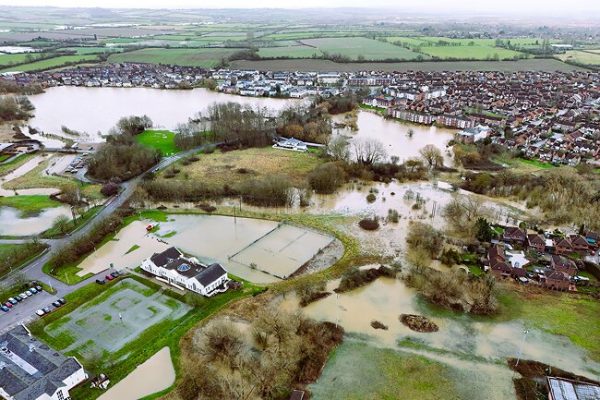
Extreme weather construction insurance is quickly becoming essential for contractors across the UK. From prolonged heatwaves and flash flooding to named winter storms, unpredictable weather is disrupting projects, increasing costs and exposing gaps in traditional construction insurance cover.
For site owners, developers and contractors, the question is no longer if severe weather will impact a project, but when. The right protection can mean the difference between a manageable setback and a serious financial loss.
If you’re unsure whether your current policy properly protects against storm, flood or climate-related risks, our specialists at Construction Insure can review your cover and provide tailored advice for your project.
What Is “Extreme Weather”?
In simple terms, extreme weather refers to severe or unusual weather events that fall outside normal seasonal patterns. In the UK, this increasingly includes intense rainfall, flash flooding, named storms, high winds and extended heatwaves.
The Met Office has reported a rise in heavy rainfall events over recent decades, with several of the UK’s wettest years occurring since 2000. Recent storms such as Storm Babet and Storm Ciarán caused widespread flooding, travel disruption and property damage across multiple regions.
For construction businesses, these events can halt projects, damage materials and increase safety risks. Understanding what qualifies as extreme weather is the first step in assessing whether your current construction insurance cover is fit for purpose.
Why Extreme Weather Matters to Construction
Construction sites are particularly vulnerable to extreme weather. Unlike completed buildings, projects in progress are exposed, often with temporary structures, open foundations and materials stored outdoors. When severe weather hits, the financial impact can escalate quickly.
Delays and cost overruns are among the most immediate consequences. Heavy rainfall can flood excavations, damage groundwork and make sites unsafe to operate. High winds may halt crane operations or scaffolding work. Even short delays can disrupt schedules and lead to contractual penalties.
Damage to materials and tools is another common issue. Bricks, timber and insulation can be ruined by water exposure. Machinery and tools left on site may suffer flood or storm damage. Without appropriate storm damage insurance for construction sites, replacement costs can fall directly on the contractor.
Health and safety risks also increase during extreme conditions. Slips, unstable structures and heat stress in summer months create additional liabilities.
For contractors across the UK, weather risk is now a core business risk, not an occasional inconvenience. That makes having the right construction insurance cover essential, rather than optional.
How Weather Is Changing Industry Risk
The construction sector is now dealing with risk levels that would have been considered exceptional a generation ago. Data from the Met Office shows a clear rise in heavy rainfall events and record-breaking temperatures across the UK. This shift is not theoretical. It is affecting live projects, budgets and insurance claims in real time.
Flooding has become one of the most significant cost drivers. During Storm Babet, large areas of Scotland and eastern England saw developments submerged, materials destroyed and access routes cut off. Claims following major storm events often run into millions of pounds, particularly where groundwork and drainage systems are incomplete.
At the same time, prolonged heatwaves are increasing structural and material risks. Rapid drying can compromise concrete strength. Ground movement linked to drought conditions can lead to cracking and subsidence. These are not dramatic headline events, yet they generate complex and expensive claims.
For insurers, this evolving pattern means reassessing underwriting criteria, tightening flood-risk evaluations and adjusting pricing models. For contractors, it means risk profiles are being reviewed more closely than ever.
Projects in certain postcodes may attract higher premiums or stricter conditions, especially where flood maps show repeated exposure.
The key point is simple. Weather volatility is now built into how construction risk is calculated. Businesses that understand this shift can adapt their insurance strategy accordingly, rather than being caught out at renewal or, worse, at claim stage.
What Modern Construction Insurance Should Cover
Given the rising frequency and severity of extreme weather, construction insurance has evolved to meet new risks. Modern policies focus on comprehensive protection, ensuring contractors are not left exposed when storms, floods or heatwaves hit.
Key areas that should be included are:
- All-risk material cover – Ensures that building materials stored on site are protected against damage from rain, wind or accidental mishaps.
- Weather event extensions – Specific clauses covering storms, floods and high winds, particularly for projects in vulnerable locations.
- Business interruption cover – Protects against lost income and additional costs if work is delayed due to weather events.
- Plant and tools cover – Safeguards essential machinery and equipment from storm or flood damage.
- Liability protection – Covers potential claims from third parties affected by weather-related incidents on site.
Choosing the right cover doesn’t just protect assets. It also provides peace of mind, allowing contractors to focus on project delivery without the constant worry of unpredictable weather. Policies tailored to current UK climate risks help businesses avoid financial shocks and maintain operational continuity.
Real-World Cases from the UK
Extreme weather is not just theoretical; UK construction sites have already felt its impact. For example, during Storm Babet, several sites in eastern England experienced flooding that damaged materials and delayed project timelines by weeks. Contractors without extended weather coverage faced significant out-of-pocket costs to replace materials and hire additional labour.
Similarly, heatwaves in the south of England in 2022 caused concrete curing delays and ground subsidence on multiple developments. While the physical damage was less dramatic than flooding, the financial impact of disrupted schedules and extended site supervision was substantial.
These examples highlight a recurring pattern: projects without comprehensive cover are far more exposed to financial risk. By contrast, contractors with policies that included storm and flood extensions, as well as business interruption clauses, were able to claim successfully and minimise disruption.
How to Choose the Right Cover
Selecting construction insurance that effectively protects against extreme weather requires a careful approach. Start by assessing your site’s risk profile. Consider location, local flood history, exposure to high winds and any other climate-related vulnerabilities. Sites in flood-prone areas or coastal regions may need enhanced cover compared with inland projects.
Next, review policy exclusions and limitations. Some standard contracts may exclude certain weather events or impose high excesses. Check whether materials, plant and tools are adequately covered and whether business interruption protection is included.
Compare multiple insurers to understand coverage differences and premiums. Policies that appear similar on paper can vary significantly in terms of payout conditions, claim handling and additional services.
Finally, seek expert advice. Speaking with a specialist in UK construction insurance can help identify gaps, suggest relevant extensions and ensure your coverage reflects today’s climate realities. Proactive selection prevents surprises and ensures projects remain financially secure, even when the weather turns extreme.
Protecting Your UK Projects from Storms, Floods, and Heatwaves
Extreme weather is reshaping the construction landscape, and with it, the insurance that protects your projects. Contractors who act now can avoid costly gaps, reduce downtime, and safeguard materials, equipment, and schedules.
Start by reviewing your current policy and identifying any limitations related to storms, floods, or heatwaves. Ensure your cover includes all-risk material protection, plant and tools cover, and business interruption clauses tailored to UK climate conditions.
At ConstructionInsure, we specialise in helping contractors select policies that match the unique risks of their sites. Our experts provide clear advice, fast quotes, and bespoke cover solutions that keep your projects moving, whatever the weather.
Take action today:
- Request a free policy review to spot gaps before they become problems.
- Get a tailored quote designed for your site’s specific weather risks.
Being proactive is the smartest way to protect your site and ensure peace of mind, allowing you to focus on delivering projects on time and on budget.
Frequently Asked Questions (FAQ)
What counts as extreme weather in the UK for construction insurance?
Extreme weather includes storms, high winds, heavy rainfall, flash flooding, heatwaves, and other unusual climate events that can disrupt construction sites and cause damage to materials or equipment.
Does standard construction insurance cover storm and flood damage?
Not always. Many standard policies have limitations, exclusions, or high excesses for weather-related claims. Contractors may need specific storm, flood, or all-risk extensions to ensure full protection.
How can I check if my site is at risk?
Start by reviewing local flood maps, historical storm data, and advice from the Met Office. Consider site topography, drainage, and proximity to rivers or the coast.
What should modern construction insurance include?
Essential features include all-risk material cover, plant and tools protection, business interruption cover, and specific weather event extensions. Liability protection and flexible claim handling are also important.
Can insurance cover delays caused by extreme weather?
Yes. Business interruption cover is designed to compensate for project delays caused by events such as storms or flooding, helping to offset additional costs and maintain cash flow.
How do I choose the right policy for my project?
Assess your site’s risk, review policy exclusions, compare insurers, and seek advice from a specialist. Tailored UK policies ensure coverage aligns with today’s climate realities.