
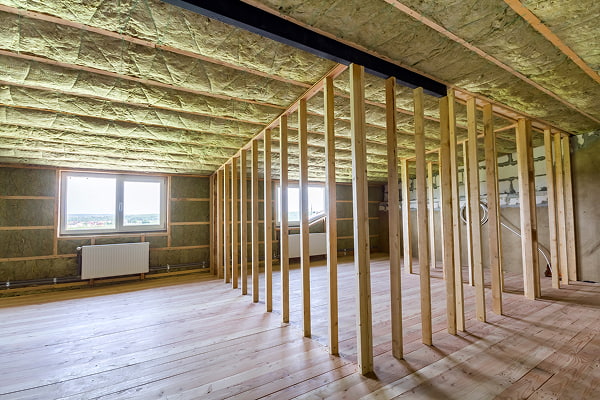
The Future Homes Standard is no longer a proposal. The regulations were laid before Parliament on 24 March 2026 and will come into force on 24 March 2027. From that date, most new homes built in England must use low-carbon heating, include solar panels, and meet significantly higher fabric efficiency standards. Gas boilers in new builds will effectively be a thing of the past.
The 12-month transition window is shorter than it looks. According to the Barclays Business Prosperity Index 2026, 98% of housebuilders say FHS alignment is a priority, but 82% are worried about being ready in time. The Home Builders Federation estimates the standard will add between 3% and 8% to build costs per dwelling.
Any builder working on residential projects due to complete after March 2027 needs to be planning for FHS now. This article sets out what the Future Homes Standard 2027 actually requires, where the real cost and delivery risks sit, and the practical steps to take before the deadline arrives.
What the Future Homes Standard actually requires
The FHS is an update to Part L (energy efficiency) and Part F (ventilation) of the Building Regulations for England. In practice, it introduces the following core requirements for new homes:
- A 75% to 80% reduction in carbon emissions compared with homes built to 2013 standards
- Gas boilers effectively ruled out in new builds
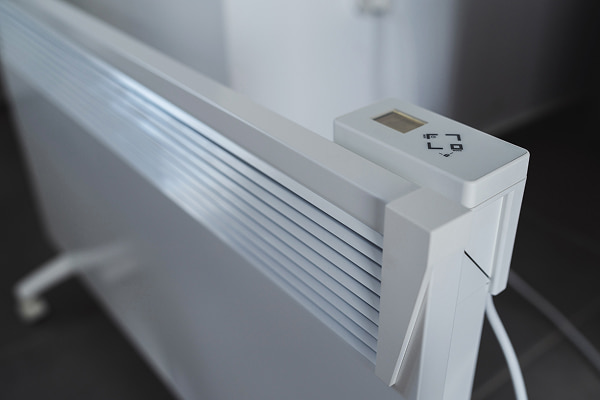
- Heat pumps (air source or ground source) or connection to a low-carbon heat network as primary heating
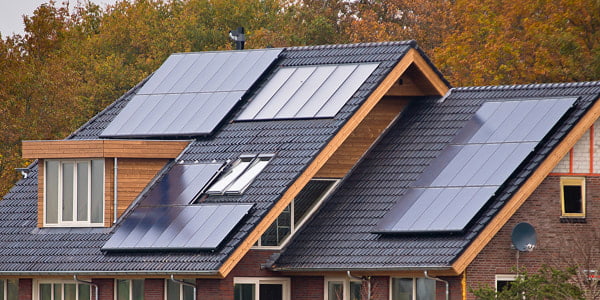
- A new functional requirement (L3) for on-site renewable electricity generation, normally met by rooftop solar PV equivalent to 40% of the dwelling’s ground-floor area
- Enhanced fabric standards: walls at 0.18 W/m²K or lower, roofs and floors at 0.13 W/m²K or lower
- The Standard Assessment Procedure (SAP) replaced by SAP 11, with the Home Energy Model (HEM) coming later
- All new ventilation systems must be commissioned by a member of a competent person scheme
Higher-risk buildings over 18 metres or seven storeys follow from 24 September 2027, reflecting the extra Gateway process these schemes must complete. HRBs are exempt from the solar PV requirement.
Who is in scope, and who isn’t
FHS applies to all new residential dwellings in England where a Building Regulations application is submitted from 24 March 2027 onwards. That includes volume developers, property developers, SME housebuilders, and self-build projects. One-off plots and small developments are not exempt.
Extensions and renovations are not directly covered by FHS, although the existing Part L rules for renovation work still apply. Scotland, Wales and Northern Ireland have their own parallel frameworks.
What transitional arrangements really mean
The transition window sounds generous but carries strict conditions. Individual plots can be built to Part L 2021 standards only if:
- A building notice, initial notice or full plans application is submitted before 24 March 2027, and
- Construction commences before 24 March 2028
Critically, these protections apply to individual buildings, not whole sites. A developer with 20 plots cannot rely on one early application to shield the rest.
Example: a regional builder with a 15-plot site submits full plans for eight plots in February 2027. Only those eight are protected, and only if commenced by March 2028. The remaining seven must be built to FHS.
Earlier transitional provisions from 2013 and 2021, which some large sites were still using, have now been revoked. That loophole is closed.
The real cost impact, and where it hits hardest
Industry estimates put the per-dwelling cost uplift of the Future Homes Standard 2027 at between £6,000 and £15,000, depending on plot type, specification and site constraints. The HBF puts this at 3% to 8% of build cost.
The added cost sits across several items:
- Heat pump system, including hot water cylinder, controls and radiator upsizing or underfloor heating
- Solar PV array, inverter and grid connection works
- Upgraded insulation to meet new U-value thresholds
- Triple glazing or high-performance double glazing
- Mechanical ventilation with heat recovery (MVHR) and commissioning
Volume developers can absorb these costs across hundreds of plots. SME builders delivering 10 to 30 homes a year feel the impact much more sharply.
Combined with doubling landfill tax rates and the Building Safety Levy arriving from October 2026, margins on smaller schemes are under serious pressure.
Builders need to factor the cost uplift into land buying decisions now. A plot bought today on 2025 assumptions will not deliver 2025 margins if it completes post-2027.
The three risks most builders are underestimating
The Future Homes Standard 2027 introduces risks that go well beyond build cost. These are the ones showing up most in industry surveys, trade body briefings, and installer feedback.
Grid connection delays
All-electric homes need significantly more electrical capacity than gas-heated equivalents. Heat pumps, EV chargers, and PV export all draw on the same connection. Delays of 18 months or more have been reported on some schemes, and government grid investment is only just starting to bring this under a year.
Practical implications:
- Engage the Distribution Network Operator (DNO) or Independent DNO at land-purchase stage, not at build stage
- Factor connection costs and phasing into viability models early
- Treat grid as a schedule-critical item, not a standard utility
For contractors holding a contract works policy, grid delays are a common trigger for project overruns, which brings its own insurance complications.
Subcontractor and skills capacity
MCS accreditation for heat pump installers is patchy outside major cities. The Heat Pump Association estimates the UK needs around 50,000 more trained installers by 2030. F-gas regulations add an extra layer of compliance for anyone handling refrigerant pipework.
Main contractors retain legal responsibility for Building Regulations compliance regardless of what a subcontractor does or fails to do. Passing the work down the chain does not pass down the liability. Every builder should audit their supply chain before Q4 2026, not after.
Performance gap and liability exposure
Heat pumps and solar PV make the building fabric’s performance visible on day one. A poorly insulated FHS home will generate higher-than-expected electricity bills, and homeowners will know immediately. EPC reform and the SMETER programme will give occupiers the right and the means to test as-built performance.
For the builder, this translates to real liability insurance and professional indemnity exposure. Warranty providers such as NHBC and Premier Guarantee are updating their technical standards, and non-compliance risks cover refusal. Latent defects claims on heat pump and MVHR failures are expected to rise.
What to review in your insurance before 2027
Building under the Future Homes Standard 2027 changes the technical, commercial, and contractual profile of a project. Your insurance arrangements should reflect that.
- Professional indemnity. Where builders take on design responsibility for heat pumps, MVHR, or PV systems, PI exposure rises. Check cover limits and any exclusions around energy performance or design failure.
- Contract works and CAR. Longer lead times on grid connections and heat pump deliveries increase project duration. Contract works and contractors all risk policies often lapse at the original completion date, so extensions need arranging proactively.
- Latent defects and structural warranty. Cover for heat pump and PV failures varies between providers. Check what is included and what is excluded before signing up.
- Public liability. Installed PV, battery and heat pump systems introduce electrical and fire risks not present in traditional builds.
- Employers’ liability and contractors combined cover. Working with new equipment categories may require specific competency sign-offs from your insurer.
Speak to a specialist broker before committing to FHS-scope projects. Getting the cover right at the outset is considerably easier than fixing gaps after a claim.
A practical 2026 checklist for builders
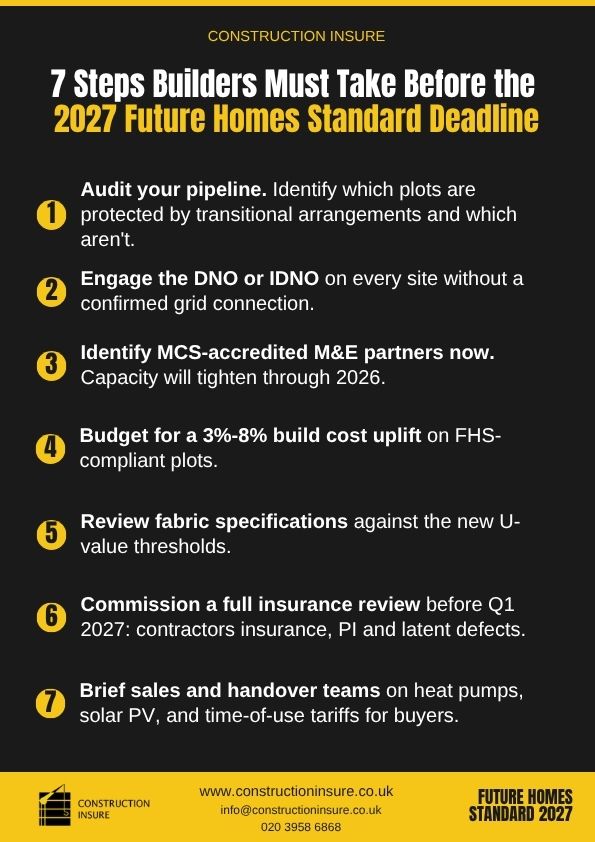
With the Future Homes Standard 2027 now law, the focus shifts from awareness to action. The following is a pragmatic list for any builder or developer with projects due to complete after March 2027:
- Audit your pipeline. Identify which plots are protected by transitional arrangements and which aren’t.
- Engage the DNO or IDNO on every site without a confirmed grid connection.
- Identify MCS-accredited M&E partners now. Capacity will tighten through 2026.
- Budget for a 3% to 8% build cost uplift on FHS-compliant plots.
- Review fabric specifications against the new U-value thresholds.
- Commission a full insurance review before Q1 2027, covering contractors insurance, PI and latent defects.
- Brief sales and handover teams on how to explain heat pumps, solar PV, and time-of-use tariffs to buyers.
The builders who treat FHS as a pipeline management exercise, not a 2027 problem, will be the ones holding their margins. Get your insurance programme and your subcontractor chain reviewed now. Get a quote from a specialist construction insurance broker before the run-up to the deadline becomes congested.
Frequently asked questions
Does the Future Homes Standard apply to extensions and renovations?
No. The Future Homes Standard 2027 applies to new dwellings built under Building Regulations applications submitted from 24 March 2027. Existing Part L requirements still apply to extensions and renovation projects.
Can I still install a gas boiler in a new build after March 2027?
Not in homes subject to FHS. Heating must come from a heat pump, a low-carbon heat network or another accepted low-carbon source. Hydrogen-ready boilers are not an accepted workaround.
What if my site already has planning permission?
Individual plots with a valid Building Regulations application submitted before 24 March 2027 can be built to Part L 2021, provided construction commences before 24 March 2028. Plots without a submitted application will fall under FHS.
How much will FHS add to my build cost?
Home Builders Federation estimates put the increase at 3% to 8% per dwelling, or around £6,000 to £15,000 depending on plot size, site constraints and specification.
Do I need to change my insurance for FHS projects?
Yes, a review is worth doing. Professional indemnity, contract works duration, latent defects, and public liability cover may all need adjustment for all-electric homes with new heating and renewable systems.