


Imagine having building work done only to find defects three years after finishing the project. Can you take the contractors to county court? Do you file claims? Are these even the right things to do, or are there better options?
The good news is that builders are still liable for their work after doing business with you — for a couple of years at least. This is thanks to legislation like the Defective Premises Act of 1972 and the Limitation Act of 1980.
In this post, you’ll learn what protections you have against building defects caused by poor builder service.
What Is a Defects Liability Period (DLP)?
The construction industry uses the term practical completion to describe a structure ready for occupancy. But just because a client can start using the structure doesn’t mean it’s 100% complete. Minor defects and imperfections could appear after a builder turns over the project to the client.
That’s why most construction contracts mention the term defects liability period or DLP.
The defects liability period allows a building contractor to deal with defects that manifest after practical completion. A contractor would typically get 6 to 12 months to get things right. However, it will ultimately depend on how big the project is. DLPs can last up to 2 years in some cases.
DLP is also referred to as the rectification period in some circles.
A construction contract typically includes a DLP provision because home builders want to repair defects on projects they work on. That’s because builders may have to shoulder the repair costs should the client hire someone else to finish the job.
For the client, DLP gives clients the right to make the builder liable for the defects. If DLP is mentioned in the written contract, clients can make builders go back and apply fixes as long as it’s within the limitation period. It’s a normal condition to include in any building work.
It should be mentioned that clients must notify the builder if they are to hire a company to fix the defects. If they don’t, the builder might be unable to pay for the additional costs of repair.
If construction contracts don’t mention DLP, the builder won’t have the right to care for defects — at least not without the client’s authorisation.
What Is the Statutory Liability Period (SLP)?
But what if the client only sees problems with the structure long after the defects liability period? What can they do? That’s where the statutory liability period or SLP kicks in.
While the DLP only goes as far as construction contracts specify, SLP allows clients to pursue contractors for defects years after the completion of a project. This is thanks in part to the Limitation Act of 1980.
SLP starts from the date that the right to claim arose and went on for six years. However, contracts executed as deeds can have 12 years of SLP coverage.
Differences Between DLP and SLP
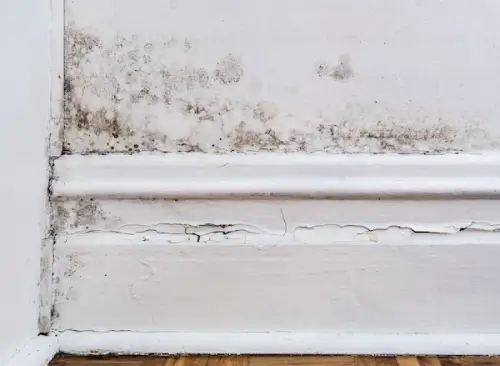
There are notable differences between the defects and statutory liability periods.
The most notable difference is the period covered by each liability type. In most cases, DLPs only last anywhere from 6 months to 2 years. But SLP can have a contractor on the hook—so to speak—for as long as 12 years after a project is completed.
Furthermore, DLP mostly concerns the client that ordered the construction and the builder who does the job. Talks about incomplete work, breach of contract, or bad workmanship will remain between these two parties.
But with SLP, a third party can contact the contractor and hold it liable for defects as long as it’s still within a time period. For example: If a new owner moves into a constructed building four years after its completion, he or she can still file claims against the contractor.
To clarify: DLP stems from the construction contract signed by the builder and the client, while SLP is based on existing law. Of the two, only SLPs cover both the client who ordered the job and the subsequent property owners from the builder’s negligent act. SLP will run concurrently with DLP.
What If There’s No Contract?
To be blunt, parties seeking relief from dire circumstances caused by a contractor will have difficulty filing a claim. Clients can lose in court even if they have a verbal contract with their contractor.
A client’s only hope is to have payment terms (or any other type of term) with the contractor to prove that an agreement has been made between the two. But even then, the dispute might not get resolved. Anyone’s best action would be to contact a solicitor to see if other remedies are under the law.
Tips for Self-Protection for Property Owners
Here are a couple of tips you can use to protect yourself against dodgy builders.
Find Reputable Contractors

Finding and working with reputable contractors is the best way to protect yourself. And when you do, be sure to sign a contract that adequately protects you from incidents like defects and breach of contract. It will also help if the builder is insured against damage and a personal and public liability.
There are UK trade associations like the National Federation of Builders that can help you find a builder and keep you up to date with policies.
Get Insurance
While the Limitation Act of 1980 will offer you risk protection from negligence for years, getting insurance on top of it isn’t a bad idea. While it might cost you more money, nothing’s better than having peace of mind.
Have Everything in Writing
Documentation is everything. Make sure that every agreement you make with a builder is in writing. And if you can, you’ll want to take photos or videos of most of the work. That way, you’ll have proof to show should you disagree with the builder over the quality of their work.
So how long is a builder liable for his work (UK)? If there’s DLP in the contract, the builder can swoop between 6 months to 2 years to fix issues. But under SLP, the law gives you the right to go after a builder anywhere between 6 to 12 years after a project is complete.