

Construction material costs are still climbing. Prices for All Work rose by 5.9% in the 12 months to July 2026, according to the latest provisional government data, and fabricated structural steel recorded the greatest inflation over that period, up 20.9%.
Much of that pressure traces back to 28 February 2026, when the United States and Israel launched military strikes on Iran. The disruption to shipping through the Strait of Hormuz that followed has pushed up energy, fuel and transport costs right across the supply chain.
For contractors and developers, this creates two problems at once. Jobs priced before the war are now costing more to deliver. And the values insured on live projects may no longer match what it would cost to rebuild the work after a fire, flood or theft.
This article explains what is driving prices, which materials have been hit hardest, and what you can do to keep your cover in step with real costs.
Why a Gulf Conflict Reaches UK Building Sites
Energy, fuel and shipping
About 20% of the world's oil and liquefied natural gas typically travels through the Strait of Hormuz. When that route is disrupted, energy prices rise, and energy is built into almost every product on site.
Steel, cement, bricks and glass all need large amounts of energy to make. Heavy products then need fuel to move. Plant on site needs diesel to run. Each stage adds cost, and higher fuel costs for construction plant and site operations land directly on contractors.
The China knock-on effect
The UK imports significantly from China, and China buys around 90% of Iran's oil, so Chinese manufacturing costs have risen sharply, affecting the price of electrical components, lighting and other lightweight products imported from Asia.
This means even materials that never pass near the Gulf can still become more expensive by the time they reach a UK merchant.
The Materials Hit Hardest So Far
Price rises have not been even. The latest figures show the biggest increases in:
- Fabricated structural steel, up 20.9% over the year
- Rigid pipes and fittings, up 15.5%
- Flexible pipes and fittings, which saw an 8.1% rise in a single month
Costs differ by type of work too. New Housing recorded a 4.9% increase, Other New Work rose by 7.2%, and Repair and Maintenance increased by 5.5% year on year.
Oil-based products have also moved. Sherwin-Williams raised paint prices by 9% and bulk solvent products by 18%, while window and door manufacturers issued price increases from June 2026.
What hasn't moved as much
Not every material is rising. Cement saw the steepest annual fall of all resources measured, down 3.5%. Timber frame construction and timber structural elements have also been largely unaffected.
This matters when reviewing budgets. A steel-framed commercial job faces very different pressures from a timber-frame housing scheme.
Why Prices Haven't Settled Since the Ceasefire
A ceasefire brought hope that costs would ease. It hasn't worked out that way. Even after Iran and the United States announced a ceasefire on 8 April, ship traffic through the Strait of Hormuz remained far below pre-war levels. In early September 2026, oil surged to $109 a barrel as renewed attacks on shipping and energy infrastructure reversed earlier gains.
Other pressures have stacked up on top:
- Steel faces extra costs because the EU's Carbon Border Adjustment Mechanism, conflict-linked supply disruption and the new UK trade policy for steel introduced on 1 July have all pushed prices higher.
- The Construction Products Association has asked ministers to ease costs linked to the Building Safety Levy due in October.
- Costs take time to work through. Currie & Brown expects key material costs in the UK to stay elevated for some time as higher oil prices feed through supply chains and manufacturing.
Budgets for work starting this winter should not assume prices will return to pre-war levels.
The Squeeze on Fixed-Price Jobs
Rising construction material costs would be easier to absorb if demand were strong. It isn't. The UK Construction PMI fell to 44.3 in August, marking the sector's 20th month of contraction, with S&P Global pointing to low client confidence and anxiety about the Middle East conflict as factors.
With less work available, many firms are holding their prices to stay competitive. Simon Rawlinson of Arcadis has said he knows of contractors standing behind prices they submitted before the war broke out. That protects the client relationship but eats into margin.
Pricing future work is harder still. One steel fabricator told Construction News that when quoting jobs due in December and January, it is almost impossible to know the price of input steel.
Some UK contractors have issued early notices of delay citing force majeure, to put clients on notice and reserve their rights on extensions of time. Whether this protects you depends entirely on your contract wording, so check it with your adviser before relying on it.
Rising costs also affect how your wider cover fits together. Our guide to builders insurance explains each policy and why contract works values need to match the current project.
How Rising Costs Leave Contract Works Cover Short
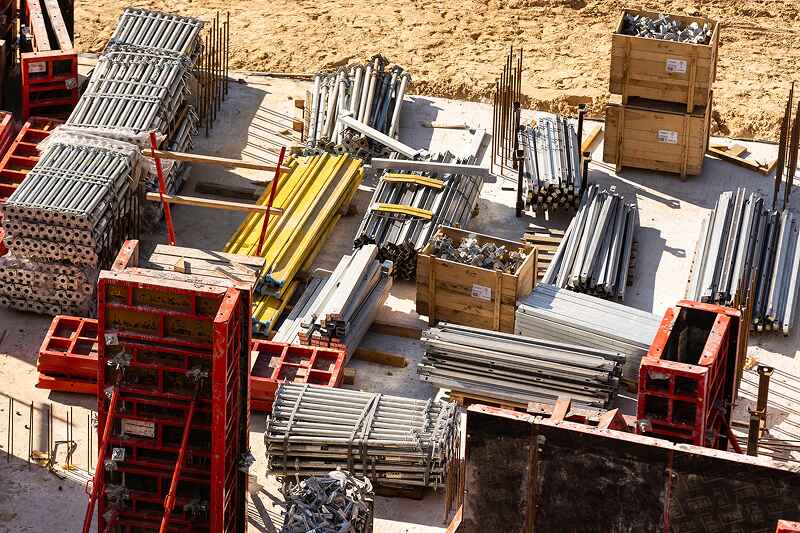
Contract works insurance protects the work in progress, materials and temporary works on site. The sum insured should reflect what it would cost to rebuild that work today, not what it cost when the job was priced.
Contract value is not the same as rebuild cost
A frequent error is confusing contract value with full rebuild cost. Your contract value is what you are paid to do the job, but your insurance needs to cover much more.
The problem grows as prices rise. Wage inflation feeds directly into reinstatement costs, but declared values often remain tied to historic estimates.
How the average clause cuts a claim
If your sum insured is too low when a loss happens, average applies, reducing any claim proportionately.
Here is an illustrative example:
- Works insured at £400,000
- Actual rebuild value £500,000
- The contractor is 20% underinsured
- A £50,000 claim could be reduced to £40,000
The gap can widen quickly. Karis Insurance estimated that a property insured for £1 million five years ago could now be underinsured by £320,000.
Maximum contract value limits
Annual policies bring an extra risk. The insurer covers only contracts up to the stated maximum value, and any contract exceeding that limit is treated as outside the scope of insurance. Where that limit is breached, the insurer may decline the claim entirely.
A job that sat comfortably under your limit at tender stage could breach it once variations and price rises are added.
Practical Steps to Keep Your Cover Accurate
A short review now costs far less than a reduced claim later. Focus on these steps:
- Review sums insured on every live project against today's costs, not tender prices.
- Tell your broker when a contract value rises through price increases or variations.
- Check your maximum contract value limit before taking on a larger job.
- Build price fluctuation clauses into new contracts where the client will agree.
- Keep records of supplier price increases to support any claim or cost recovery.
Where This Leaves Contractors This Autumn
The Iran war has pushed construction material costs up sharply, and the ceasefire has not reversed that trend. Steel and pipework have seen the steepest rises, while cement and timber have held steadier.
Weak demand means many contractors are absorbing these increases on fixed-price work rather than passing them on. That squeeze on margins is the visible problem.
The hidden problem is cover that no longer matches real costs. If sums insured stay tied to old estimates, the average clause or a breached contract value limit could leave you funding part of a loss yourself.
Construction Insure has over 30 years of experience arranging cover for builders, contractors and developers. If you'd like your contract works values checked against current costs, you can get a quote from our specialist team.
Frequently Asked Questions
Why are construction material costs still rising after the ceasefire?
Shipping through the Strait of Hormuz has not fully recovered, oil prices rose again in September, and new steel trade measures have added cost.
Which materials have gone up the most?
Fabricated structural steel has risen most, up 20.9% in the 12 months to July 2026, followed by rigid pipes and fittings at 15.5%.
Do I need to tell my insurer if my contract value increases?
Yes. Keeping your broker updated helps make sure your sum insured and any maximum contract value limit still fit the job.
What happens if my contract works cover is too low?
Your insurer may apply the average clause and reduce your claim in proportion to the shortfall.
Will rising material costs affect my insurance premium?
They can. Premiums are often based on contract value, so higher project costs may lead to a higher premium at renewal or final declaration.

" Comparing like with like plus some lower excesses you have managed to save me in excess of £1500 or approximately 15% on my previous insurer. "