

The UK’s construction industry has long been a pillar of the economy, delivering iconic structures and modern infrastructure across the country. But every constructor knows that behind every grand project there are hidden risks, liabilities and challenges that can quickly lead to costly insurance claims.
Some of these claims have made history, not just for their size but for the hard lessons they impart to builders, contractors and insurers alike.
In this article, we explore some of the most significant construction insurance claims the UK has ever seen. More importantly, we explore the lessons learned from these events, how they reshaped insurance practices, risk management and ultimately the way construction projects are delivered today.
Whether you’re a sole trader, an SME, or a major contractor, understanding these landmark claims is vital for protecting your business and reputation.
Why Construction Insurance Matters More Than Ever
The construction sector is notoriously complex, characterised by the management of high-value assets, coordination among numerous subcontractors, intricate architectural and engineering designs, and often unpredictable site conditions.
It is an industry where even seemingly minor errors, unforeseen events, or delays can escalate into multi-million-pound insurance claims, threatening not only project budgets but also reputations.
Insurance is fundamentally designed to act as a robust safeguard, providing financial protection that spans physical damage to property, third-party injuries, professional negligence and disruptions to business continuity.
However, historic mega claims have consistently shown that insurance alone cannot shoulder all risks. Without thorough risk assessment, specialist coverage tailored to project-specific exposures and vigilant ongoing risk management, even well-insured projects can face severe operational and financial challenges.
A retrospective examination of the UK’s most significant construction insurance claims reveals recurring pitfalls: such as gaps in coverage, unclear contractual risk allocations and underestimation of emerging hazards. These claims have served as wake-up calls, driving improvements in underwriting practices, contract drafting and the adoption of best-in-class risk management frameworks that shape today’s construction insurance landscape.
The Hatfield Rail Crash (2000) and Its Ripple Effect on Construction Insurance
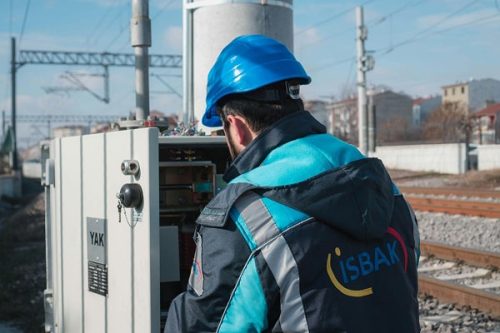
One of the starkest lessons in UK construction insurance history comes from the aftermath of the Hatfield rail crash in 2000. Though primarily a rail disaster, the incident uncovered deep issues linked to infrastructure maintenance, contract management, and liability allocation.
The crash caused four deaths and over 70 injuries, triggering claims totalling hundreds of millions of pounds against a network of contractors and maintenance firms. The fallout saw insurers facing unprecedented multi-party litigation over design flaws, material failures, and delayed maintenance.
Key Lesson:
This tragedy highlighted the crucial need for comprehensive professional indemnity insurance and clear contract terms defining responsibility for defects and maintenance failures. It pushed the industry to evolve contract risk allocation and strengthened the demand for joint insurance programmes covering multiple supply chain tiers.
The Grenfell Tower Fire (2017): A Constructive Catastrophe
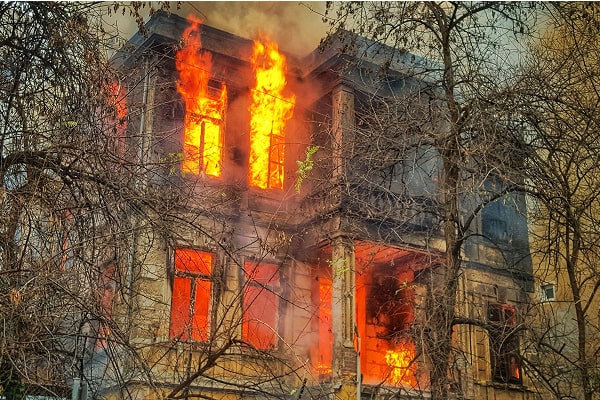
Few construction-related claims have had as profound an impact on regulatory frameworks and insurance policies as the Grenfell Tower fire. The devastating blaze killed 72 people and led to one of the largest insurance and liability inquiries in UK history.
The claim complexities involved building materials, fire-proofing standards, and compliance with regulations. Insurers faced claims not only about physical rebuilding costs but also about alleged negligence in material choices, installation processes, and regulatory oversight.
Key Lesson:
Grenfell forced a comprehensive reassessment of building regulations and construction product liabilities. It underscored that insurance policies must explicitly cover emerging risks related to building materials and environmental safety. Furthermore, it prompted the insurance industry to call for better due diligence and supplier vetting practices.
The London Eye Scaffold Collapse (2003)

During the construction of the iconic London Eye, a major scaffold collapse caused significant project delays and raised substantial insurance claims relating to construction accidents and equipment damage. The incident halted work for months and involved extensive third-party damage claims.
This event underscored the challenges of managing risks on complex and high-profile engineering projects with heavy mobile equipment and temporary structures.
Key Lesson:
The claim highlighted the importance of contractors’ all risks (CAR) insurance and public liability cover that accommodates intricate site operations. It also reinforced the need for meticulous health and safety protocols and regular equipment inspections to prevent costly stoppages.
The Heathrow Terminal 5 Opening Delays (2008)

Though not a typical “claim” event, the numerous delays and technical issues during Heathrow Terminal 5’s launch led to significant insurance-related negotiations. The scale of the project and interrelated subcontractors meant claims around design coordination failures, delay damages, and technology shortcomings reached high figures.
The insurance implications of such mega-project coordination problems resonated across the industry, sharpening focus on delay-in-start-up (DSU) coverage and professional indemnity for integrated design teams.
Key Lesson:
Complex, large-scale projects require layered insurance policies protecting against not just physical damage but also financial losses from delays and operational disruptions. The case pushed the use of integrated project insurance packages, addressing all phases from design through to handover.
The Channel Tunnel Construction Claim (1990s)
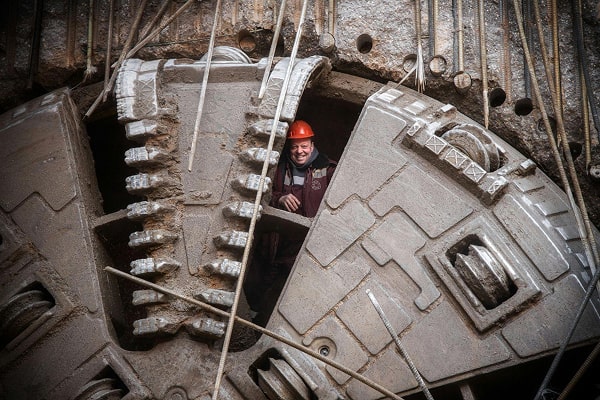
The Channel Tunnel project, a marvel of engineering, was mired in cost overruns and technical claims spanning decades. Challenges related to geological unpredictability, equipment failure, and design changes resulted in tens of millions of pounds in insurance claims.
The scale and complexity of the work taught insurers and contractors about the importance of geotechnical risk understanding and contingency insurance that anticipates the unforeseen in groundworks and tunnelling.
Key Lesson:
Large civil engineering projects benefit from specialist insurance policies that combine traditional covers with bespoke endorsements for natural hazard events and unexpected site conditions.
Core Lessons All Construction Firms Can Apply Today
While these high-profile UK claims differ in context, project scale, and technical specifics, they collectively distil key takeaways for construction professionals:
- Know your risks up front. Conduct thorough risk assessment during project planning. Use these insights to shape your insurance portfolio, avoid gaps that could expose you to uncovered claims.
- Tailor insurance to your projects. One size does not fit all. Complex projects need specialist, combined policies such as Contractors’ All Risks, Professional Indemnity, Delay-in-Start-Up, and Cyber Liability.
- Clear contracts matter. Clearly drafted contracts should explicitly define liability, risk sharing, and insurance requirements for all parties including subcontractors and suppliers.
- Manage supply chain risk. Ensure due diligence on suppliers and subcontractors. Verify their insurance, compliance, and quality standards to mitigate knock-on claims.
- Invest in safety and compliance. Many costly claims arise from avoidable accidents or regulatory failures. Robust health & safety and adherence to legal standards cut your risk exposure.
- Regularly review policies. Projects evolve and so should your insurance. Adjust cover as risks change and expand to accommodate new technologies or environmental challenges.
How to Stay Ahead with Your Construction Insurance
Modern construction demands proactive insurance and risk management strategies. To ensure protection:
1. Work with Specialist Brokers Who Know Construction Risks
Construction insurance is complex and unique to the sector. Specialist brokers tailor your policies to fit your exact risks, guiding coverage choices and helping navigate claims efficiently.
2. Choose Packaged Policies Tailored to Your Business
Multi-cover bundles like Contractors’ All Risks, Public Liability, Employers’ Liability, and Professional Indemnity provide comprehensive, streamlined protection. Bundling reduces gaps and administrative hassle while often lowering premiums.
3. Stay Informed About Regulatory Updates
Construction regulations evolve and affect your liability and insurance needs. Maintaining up-to-date coverage for fire safety, environmental standards, material compliance based on these changes ensures compliance and reduces exposure.
4. Invest in Technology and Training for Risk Reduction
New tech like BIM, drones, and real-time monitoring paired with continuous staff training cuts accidents and claim incidence. Insurance providers reward solid risk management with better terms.
5. Keep Open Communication with Your Insurers
Regularly update insurers on project changes, including scope, subcontractors, and site conditions. Transparent dialogue ensures coverage matches evolving risks and streamlines claims handling.
Insurance Claims as Cautionary Tales
History’s largest construction insurance claims act as more than cautionary tales, they are guides shining a light on risk and responsibility in the UK’s building landscape. Whether from tragic accidents, contractual disputes, or unprecedented technical failures, their lessons enable today’s construction businesses to build not only structures but also resilience.
Understanding these landmark cases and adopting the recommended strategies can save your firm from financial peril and reputational damage. The right specialist insurance, combined with sound risk management and contract discipline, is your best foundation for success in an industry where every build carries significant stakes.
If you want expert advice on how to secure the most suitable construction insurance for your projects, get in touch. Our team specialises in supporting construction firms across the UK, helping you stay protected while you focus on building the future.