

Imagine finishing a flawless HVAC installation: ductwork pristine, system humming perfectly… only to get a frantic call two weeks later. A refrigerant leak has damaged a client’s expensive server room equipment, and now they’re pointing fingers at your workmanship. You file a claim, confident in your public liability policy, but the insurer denies it: the damage falls into a “contract works” gap or an efficacy exclusion you never spotted. Suddenly, thousands in repair bills threaten to sink your business.
HVAC contractors face unique risks that go far beyond standard trades. Refrigerant leaks can corrode metal and short electronics; water from condensate lines floods ceilings; roof-mounted units demand height work with fall hazards; and tool-laden vans invite theft. Clients expect zero downtime in critical environments like offices, hospitals, or data centres, amplifying the stakes when things go wrong.
This guide uncovers the hidden gaps in typical policies that leave many UK HVAC firms exposed, from small-print exclusions to undervalued tool cover. Learn the must-have protections, real-world pitfalls, and steps to build an insurance programme that safeguards your cash flow, reputation, and future jobs.
Don’t wait for a claim to reveal the cracks, get ahead of the risks now.
Why HVAC Work Carries Unique Risks
HVAC systems blend electrical, mechanical, refrigeration, and plumbing elements into complex networks that demand precision. A single fault, such as a refrigerant leak, condensate overflow, or control failure, can cascade into widespread damage, from flooded server rooms to fire hazards in ducting. Unlike simpler trades, HVAC engineers often work in occupied buildings, heightening risks to clients, staff, and the public.
Complex Systems and High Expectations
Modern HVAC installations serve critical environments like hospitals, offices, and data centres where downtime costs thousands per hour. Clients expect systems to deliver exact temperatures, airflow, and efficiency, with no excuses for delays. Engineers face pressure to commission quickly, yet any oversight in design, installation, or handover can trigger disputes over performance or consequential losses.
Real-World Loss Scenarios
Common incidents highlight these vulnerabilities:
- Water escape events: Condensate drains block or overflow, soaking ceilings, electrics, and stock below, claims often exceed £50,000 in commercial settings.
- Refrigerant mishaps: Leaks from faulty brazing or over-pressurisation corrode equipment or pose health risks, triggering product liability scrutiny.
- Height and access issues: Dropping tools from roofs or plant rooms damages units below, while falls endanger workers and bystanders.
In each case, the engineer’s policy must respond swiftly to cover repairs, legal defence, and lost income, or the business grinds to a halt
The Essentials of HVAC Insurance
Every HVAC business needs a solid insurance foundation tailored to its risks, from site work to system commissioning. Core policies protect against injury, property damage, and operational losses, while add-ons address specialist exposures like refrigerant handling and height access. Building the right structure prevents claims falling through cracks and keeps premiums competitive.
Core Covers Every HVAC Business Should Consider
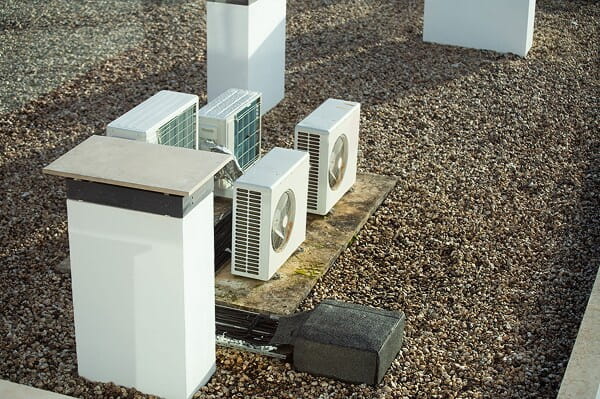
These form the bedrock of protection:
- Public liability insurance: Covers legal costs and damages if work injures third parties or harms their property, such as a ladder fall damaging a client’s roof or water ingress from pipework flooding a flat below.
- Products liability: Responds if installed or supplied HVAC equipment causes later issues, like a faulty fan motor sparking a fire months after handover.
- Employers’ liability: Legally required (£5 million minimum) if employing staff or labour-only subcontractors; covers work-related injuries or illnesses, vital for firms with fitters on ladders or in confined spaces.
- Commercial vehicle insurance: Essential for business-use vans carrying tools and gas cylinders; standard social/domestic/motor policies exclude trade risks.
Key Add-Ons Especially Relevant to HVAC
Extend core cover for full protection:
- Contractors All Risks: Insures materials, equipment, and unfinished installations (e.g. ducting, pipework) against theft, fire, storm, or accidental damage until practical completion.
- Plant and tools insurance: Protects vacuum pumps, recovery units, brazing torches, and testing gear from theft (even from locked vans) or site damage; specify new replacement values to avoid depreciation disputes.
- Professional indemnity (optional but wise): Covers design errors or negligent advice, such as specifying undersized units leading to performance failures.
Many stop at basics, assuming full coverage, but hidden gaps emerge in claims, as explored next.
Hidden Risk 1: Assuming Public Liability Covers Everything
Public liability forms the cornerstone of most HVAC policies, yet many contractors mistakenly believe it safeguards every scenario. In reality, it typically excludes damage to the very works being installed or performance shortfalls without physical harm, leaving firms exposed to significant out-of-pocket costs.
Public liability responds to third-party claims, like a dropped tool cracking a client’s ceiling, but not to the new HVAC components under your control. Picture lifting a £10,000 cassette unit onto a roof: if it slips and shatters, contract works cover (or Contractors All Risks) steps in for replacement; without it, you’re footing the bill. This distinction trips up sole traders and small firms rushing between jobs, especially on phased installs spanning weeks.
Even flawless installation can’t always prevent “efficacy” failures, where systems run but fail to perform as specified, such as inadequate cooling in a restaurant kitchen overloading compressors. Standard policies demand physical damage before paying out, ignoring pure performance disputes that trigger call-backs, redesigns, or client compensation demands. Specialist extensions for efficacy or defective workmanship bridge this, covering rectification costs up to policy limits; they’re essential for design-and-build contracts but often overlooked in favour of cheaper basics
Hidden Risk 2: Underinsuring Tools, Plant and Sums Insured
HVAC engineers rely on expensive, specialised kit, vacuum pumps, manifold gauges, recovery machines, leak detectors, that can total tens of thousands in value. Underestimating these sums insured or ignoring policy conditions leaves businesses vulnerable to theft or loss, turning a break-in into a business-breaking event.
A single van’s contents often exceed £20,000: add brazing torches, power tools, laptops with design software, and refrigerant analysers, and replacement costs soar. Many policies default to generic limits like £5,000–£10,000, inadequate for modern HVAC gear. When thieves target trade vans overnight, or tools vanish from unattended sites, claims hinge on proving exact values with receipts, serial numbers, and photos, documentation most firms lack until it’s too late.
Policy Conditions That Catch People Out
Insurers impose strict rules to keep premiums viable, but non-compliance voids cover:
- Tools left in vehicles overnight must be in a locked boot or stolen building, with alarms fitted and evidence of forcible entry.
- Wear and tear exclusions apply unless specifying “new for old” replacement.
- Annual declarations must match actual tool values; understating risks proportional claim reductions.
Practical fixes include quarterly audits, digital inventories with photos, and specifying security upgrades like van alarms or immobilisers for lower premiums. Aligning sums insured with reality avoids the shock of partial payouts when you need full recovery most.
Hidden Risk 3: Subcontractors and Paperwork Gaps
HVAC projects often involve subcontractors for electricals, ducting fabrication, or specialist refrigeration, creating complex chains of responsibility. Misclassifying their status or skimping on documentation can leave no policy responding to a loss, exposing the main contractor to unlimited liability.
Labour-Only vs Bona Fide Subcontractors
Labour-only subs work under your direct supervision, using your materials and tools, they count as your employees for insurance purposes, requiring employers’ liability cover. Bona fide subs handle discrete work packages with their own insurance, materials, and risk management. Many HVAC firms blur these lines, using “mates” for day rates without clarifying terms, only to face disputes when an incident occurs.
Contract and Insurance Consequences
Main contractors demand evidence: certificates of public liability (£5m–£10m limits), employers’ liability (£10m standard), and specific endorsements excluding hot works or height access. Without these, your firm risks contract termination or joint liability. Policy wordings often restrict sub-letting without insurer notification, and gaps arise if a sub’s cover lapses or excludes your project type.
Simple safeguards, updated certificates on file, sub-contractor agreements defining status, and broker pre-approval, prevent claims unraveling over paperwork oversights.
Hidden Risk 4: Small Print in Maintenance and Care Plans
Homeowners and landlords often opt for low-cost “boiler care” or “homecare” plans, assuming comprehensive HVAC protection. These policies cap call-outs, exclude pre-existing faults or poor servicing, and limit payouts to “economic repair” values, leaving gaps when systems fail post-installation.
For HVAC contractors, this backfires when clients blame recent work for denied claims, alleging defective installation despite proper commissioning. Reputational damage mounts as disputes escalate to reviews or small claims court, even if liability lies elsewhere.
Mitigate by documenting handovers with test sheets, photos, and client sign-offs. Recommend clients pair care plans with robust landlord or contents insurance. Ensure your professional indemnity covers maintenance advice, and clarify liabilities in contracts to avoid footing bills for insurer exclusions.
Claims Pitfalls HVAC Businesses Overlook
Claims fail not from the incident itself, but from policy mismatches or procedural slips that insurers exploit. HVAC firms lose thousands when small details, undisclosed roof work, understated turnover, or delayed notifications, void coverage at the critical moment.
Common Reasons Claims Are Reduced or Declined
- Incomplete business descriptions: Policies exclude refrigeration gases, height work, or hot works if not declared upfront, turning valid losses into non-starters.
- Underdeclared sums insured: Turnover or wage rolls below actual figures trigger proportional reductions; a £100,000 claim on a £50,000 declared policy pays only half.
- Missing documentation: No method statements, risk assessments, or commissioning records when contracts demand them.
- Self-help fixes: Attempting repairs before insurer approval risks accusations of tampering.
How to Make a Claim More Likely to Succeed
Follow this streamlined process:
- Secure the site and take timestamped photos/videos of all damage.
- Gather witness statements, subbie details, and contract copies immediately.
- Notify your broker within 24 hours, never admit fault.
- Avoid temporary fixes; let approved contractors handle mitigation.
- Prepare service records and valuations in advance for swift submission.
Proactive policy reviews and tidy records separate recovering businesses from those paying out-of-pocket.
Building the Right HVAC Insurance Programme
Tailor coverage to your operations by mapping activities like installation, service, refrigeration, and roof work to specific exposures such as water damage, tool theft, or performance disputes. Start with core liability policies, then layer add-ons that match your contract sizes and subcontractor use for comprehensive protection without overpaying.
This structured approach ensures every risk has a dedicated response, keeping premiums competitive and claims straightforward.
Map key jobs directly to cover types, pairing installation risks with contract works and public liability for materials and third-party damage, maintenance calls with efficacy extensions and professional indemnity for system checks, and tools or vans with specified sums insured featuring “new for old” replacement alongside security compliance.
Cross-check everything against client demands for £10m limits or joint names policies to avoid tender rejections.
Avoid generic online quotes and seek brokers versed in HVAC risks who probe refrigerant handling, height access, and efficacy needs. Ask if the policy covers roof-mounted AC units and brazing, what tool theft conditions and limits apply, and how efficacy handles performance failures. Annual reviews after growth or new contracts keep everything aligned. Specialists uncover gaps early, negotiate competitive rates, and support you through claims.
Ready to protect your HVAC business? Contact Construction Insure today for a free no-obligation quote tailored to your risks, or request a callback from our expert team.