
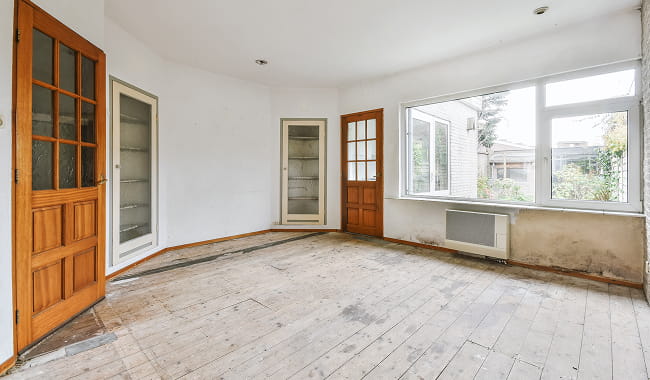
Unoccupied properties are a common part of property investment. Whether you are between tenants, planning refurbishment works, waiting for a sale, or dealing with probate, there may be times when a building is left empty. However, many investors are unaware that leaving a property unoccupied can significantly affect their insurance cover.
In 2026, insurers continue to see empty properties as higher risk. Without someone living there, issues such as vandalism, theft, water leaks, and fire can go unnoticed and cause serious damage. As a result, standard home or landlord insurance often reduces cover or becomes invalid once a property has been empty for a set period.
This guide explains what unoccupied property insurance is, why it is important for investors, what it typically covers, and how to choose the right policy to protect your investment.
What Is Unoccupied Property Insurance?
Unoccupied property insurance is a specialist type of cover designed to protect buildings that are left empty for a period of time. It provides insurance for properties that are not being lived in and are not in regular use, where standard home or landlord insurance may no longer apply.
A property is usually considered occupied when someone is living there on a day-to-day basis and it is furnished for normal living. An unoccupied property, on the other hand, is one where no one is living there, even if it still contains some furniture. From an insurer’s point of view, the lack of regular presence increases the risk of damage or loss.
This type of insurance can apply to a wide range of properties, including:
- Buy-to-let houses and flats
- Residential properties between tenants
- Homes awaiting sale or probate
- Buildings undergoing refurbishment
- Commercial properties left empty
Unoccupied property insurance is designed to cover the increased risks that come with empty buildings, helping investors protect their assets during periods when a property is not in use.
Why Investors Need Unoccupied Property Cover

When a property is left empty, the level of risk increases significantly. Without regular occupation, small problems can quickly turn into serious and costly issues. For property investors, this can lead to unexpected repairs, delays, and financial loss.
Common risks linked to unoccupied properties include vandalism, theft, and malicious damage. Empty buildings are often seen as easy targets, especially if they appear poorly maintained. There is also a higher risk of water damage from burst pipes or leaks, which may go unnoticed for weeks without regular checks. Fire risk can increase too, particularly in older properties with outdated electrics.
Standard home or landlord insurance is usually designed for occupied properties. Once a property has been empty for a set period, these policies often reduce cover or exclude key risks such as theft or escape of water. In some cases, the policy may no longer be valid at all.
Without the right cover in place, investors could be left paying for expensive repairs themselves. Unoccupied property insurance helps protect against these risks and safeguards the value of your investment during vacant periods.
When Is a Property Classed as “Unoccupied”?
In the UK, a property is usually classed as unoccupied after it has been left empty for a set period of time. For many insurers, this timeframe is between 30 and 60 consecutive days, although it can vary depending on the policy.
Once this period is reached, standard home or landlord insurance may start to restrict cover or stop providing protection altogether. This is why it is important not to assume you are still insured just because a property has only been empty for a short time.
Definitions matter because insurers use them to decide whether a claim is valid. Some policies also make a distinction between “unoccupied” and “unfurnished,” which can affect cover.
To avoid problems, investors should always check their policy wording carefully and speak to their insurer or broker as soon as they know a property will be left empty.
What Standard Property Insurance Often Doesn’t Cover
Once a property becomes unoccupied, many standard home or landlord insurance policies reduce cover or remove it altogether. This can leave investors exposed to risks they may assume are still insured.
Common areas that are often excluded or limited once a property is unoccupied include:
- Theft or attempted theft, especially of fixtures such as copper pipes or wiring
- Vandalism and malicious damage, which are more likely in empty buildings
- Escape of water, including damage caused by burst or leaking pipes
- Storm and flood damage, if the property is not regularly checked
- Glass breakage, including windows and doors
In some cases, insurers may only continue to cover major events such as fire or lightning, leaving little protection against more common issues.
For property investors, these gaps in cover can result in significant repair costs and delays. Understanding what standard insurance no longer covers is essential to making sure your investment remains protected when a property is left empty.
What Unoccupied Property Insurance Typically Covers
Unoccupied property insurance is designed to protect buildings during periods when they are left empty and face higher levels of risk. While cover can vary between insurers, most policies include several key areas of protection.
Buildings insurance is the main part of cover. This protects the structure of the property, including walls, roofs, floors, and permanent fixtures such as kitchens and bathrooms. It usually covers damage caused by events such as fire, flooding, storms, and vandalism, depending on the policy terms.
Contents insurance may also be available, either as standard or as an optional extra. This covers items left inside the property, such as carpets, curtains, white goods, or furniture. The level of cover will depend on what is kept in the building and should reflect the actual value of the contents.
Property owner’s liability insurance is another important element. This protects you if someone is injured on or near the property and you are found legally responsible. For example, if a member of the public is injured by falling debris or a contractor is hurt while carrying out work, liability cover can help with legal costs and compensation.
Many unoccupied property insurance policies also offer optional add-ons, such as legal expenses cover, extended cover during refurbishment works, or cover for longer periods of lack of occupancy. These options allow investors to tailor the policy to suit their specific situation and level of risk.
Policy Conditions Investors Must Follow
Unoccupied property insurance usually includes strict conditions that must be followed to keep the policy valid. These conditions are designed to reduce the higher risks associated with empty buildings.
A key requirement is regular inspections. Most insurers require the property to be checked every 7 or 14 days. These visits should be recorded, with written notes or photographs, to prove the inspections have taken place.
Security requirements are also common. All doors and windows must be securely locked, and approved locks may be required. Some policies also ask for letterboxes to be sealed or alarm systems to be activated where fitted.
Other conditions may include keeping heating on at a minimum level or draining down water systems to prevent burst pipes.
If these conditions are not followed, insurers may refuse a claim or reduce the payout. For investors, understanding and complying with these requirements is essential to avoid costly problems.
How Insurance Premiums Are Calculated
The cost of unoccupied property insurance can vary depending on several factors. Insurers assess the level of risk before setting a premium, which is why prices are not the same for every property.
Key factors that affect the cost include the value and rebuild cost of the property, its location, and how long it is expected to remain unoccupied. Properties in areas with higher crime rates or a history of claims may cost more to insure. The type of building, such as a house, flat, or commercial unit, also plays a role.
Security measures, regular inspections, and good maintenance can help reduce risk and keep premiums more manageable.
Practical Ways to Reduce Risk and Premiums
There are several practical steps investors can take to reduce risk and help keep insurance premiums under control. One of the most important is carrying out regular property inspections in line with policy requirements. These checks help identify issues early and show insurers that the property is being properly managed.
Improving security can also make a difference. Make sure all doors and windows are securely locked, fit approved locks where needed, and use alarms or CCTV if possible. A well-secured property is less likely to attract vandalism or theft.
Good maintenance is equally important. Repair minor damage promptly, keep gutters clear, and manage water systems to reduce the risk of leaks or burst pipes. Taking these steps can lower risk and help protect your investment.
Common Mistakes Property Investors Should Avoid
One of the most common mistakes property investors make is assuming their standard home or landlord insurance will continue to provide full cover when a property is empty. In many cases, cover is reduced or removed after a set period of unoccupancy.
Another frequent issue is failing to inform the insurer that a property has become unoccupied. Not declaring this change can invalidate the policy. Investors also sometimes overlook policy conditions, such as regular inspections or security requirements, which can lead to rejected claims.
Choosing a policy based on price alone is another risk. Cheaper cover may come with strict exclusions or high excesses. Finally, delaying insurance until after a property has already been empty can leave a gap in cover.
Understanding these common mistakes helps investors avoid costly problems and ensures their insurance works when it is needed most.
How to Choose the Right Unoccupied Property Insurance
Choosing the right unoccupied property insurance starts with understanding your needs. Check how long the property will be empty and make sure the policy covers that full period. Review what risks are included and excluded, as well as any inspection or security requirements.
It is also important to look at excess levels and make sure they are affordable if you need to make a claim. Using a specialist insurance broker can make this process much easier. A broker experienced in unoccupied properties can help you find suitable cover, explain policy conditions clearly, and ensure your investment is properly protected.
Protecting Your Investment
Unoccupied properties come with increased risks, and the right insurance is essential to protect your investment. Understanding when a property is classed as unoccupied, what standard insurance no longer covers, and how unoccupied property insurance works can help you avoid costly surprises. By choosing the correct cover and following policy conditions, you can safeguard your property during vacant periods.
If you own or manage an unoccupied property and want peace of mind, connect with us today. Our specialist team can help you find the right insurance solution to protect your investment now and in the future.