

Contract works insurance protects the thing every construction project is built around: the works themselves. Whether you are a contractor, a property developer or an individual self-builder borrowing to fund a build, it is one of the first policies a client, main contractor or lender will ask to see.
This guide explains what contract works insurance covers, what it does not, why banks and lenders insist on it, who should take it out and what affects the cost.
What Is Contract Works Insurance?

Contract works insurance covers physical loss or damage to a construction project while it is being built, including the permanent works, temporary works and materials on site, until the project is handed over.
It is written on an “all risks” basis, which means it covers any sudden and unforeseen damage unless the policy specifically excludes it. That includes events such as:
- Fire, lightning and explosion
- Storm and flood
- Theft of materials and vandalism
- Escape of water
- Accidental damage during the works
If the works are damaged, the policy pays to repair or reinstate them, so the cost does not fall on the contractor, the developer or the client.
Is Contract Works Insurance the Same as Contractors All Risk?
The two terms are often used interchangeably in the UK, and the core cover is the same. The difference is usually one of scope:
- Contract works insurance – typically refers to cover for the works themselves
- Contractors all risk insurance – often used for a wider package that may also include plant, tools and liability sections
Our guide to the benefits of contractors all risk insurance explains the wider package in more detail.
What Does Contract Works Insurance Cover?
A contract works policy can protect everyone with a financial interest in the project, including the employer or developer, the main contractor and subcontractors. Depending on how the policy is set up, cover can include:
- The permanent works, from groundworks through to finishes
- Temporary works, such as scaffolding, formwork and hoarding
- Materials on site, and often materials in transit or stored off site
- Own and hired-in plant and equipment, where added to the policy
- Employees’ tools and personal effects, usually up to a set limit
- Debris removal and professional fees incurred in reinstating the works
What Contract Works Insurance Does Not Cover
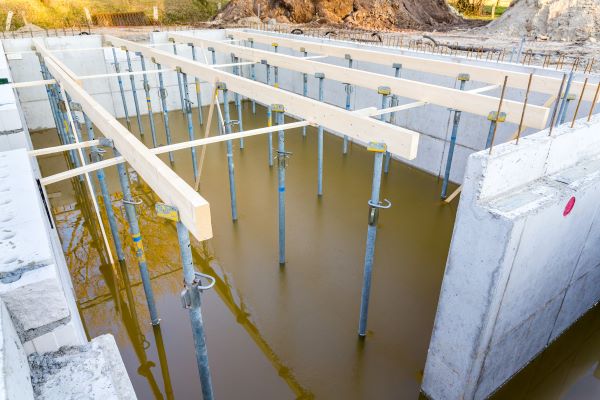
Contract works is not a complete construction insurance programme on its own. It protects the works, but it does not cover:
- Your liabilities to other people – injury to the public or damage to third-party property needs public liability insurance, and injury to employees needs employers’ liability insurance
- Damage to neighbouring property that is nobody’s fault – this is covered by JCT non-negligence insurance
- Design errors and professional advice – covered by professional indemnity insurance
- Defects that appear after handover – covered by latent defects insurance and building warranties
Policies also commonly exclude wear and tear, the cost of correcting defective workmanship or materials itself, and any damage that occurred before the policy started.
Why Do Lenders Ask for Contract Works Insurance?
If you are a property developer or self-builder borrowing money to fund a project, your lender will almost certainly ask you to arrange contract works insurance in your own name.
The reason is control. If the lender relied on the building contractor’s own policy, it would have no say over whether that cover stays in place. The contractor could:
- Go out of business partway through the project
- Default on premium payments, leading to the policy being cancelled midterm
- Hold a policy with endorsements and exclusions that leave certain works uninsured
A policy held by you, the employer, works as protection that does not depend on the contractor. You control the cover, the lender can see exactly what is insured, and the works stay protected even if the contractor’s own insurance falls away.
Noted Interests and First Loss Payees
Lenders will ask to be noted on the policy. The usual set-up is:
- You, as the employer or developer, are named as the policyholder
- The building contractor is noted on the policy
- The lender is noted as an interested party
Some lenders go a step further and ask to be named as first loss payee. This means that if there is a claim, the lender has control over how the payout is used, ensuring the money goes back into reinstating the asset it is lending against.
Who Needs Contract Works Insurance?
- Contractors and builders – most building contracts make the contractor responsible for the works until practical completion
- Property developers – particularly where the project is funded by a bank or lender, see our property developers insurance page
- Self-builders – your normal home insurance will not cover a house under construction, see our guide to self-build insurance
- Employers under JCT contracts – depending on which JCT insurance option applies, either the contractor or the employer must insure the works. Our guide on JCT insurance explains the options.
How Much Does Contract Works Insurance Cost?
The cost of contract works insurance depends on the project and the level of cover you need. The main factors are:
- Contract value – the total value of the works is the biggest single factor
- Type of build – new build, refurbishment, conversion and timber frame all carry different levels of risk
- Location and site security – flood risk and local crime rates both affect pricing
- Project length – longer programmes mean a longer period of exposure
- Your experience and claims history
- Excess and extensions – adding plant, tools or delay cover increases the premium
Contractors running several jobs a year usually find an annual policy more cost-effective than insuring each project separately. Developers and self-builders more often take out a single project policy that runs from the start of works to practical completion.
Where to Get Contract Works Insurance
For a realistic idea of what your contract works insurance will cost, the best route is a construction-specialist broker who can compare the market and make sure the policy meets your contract and lender requirements.
At Construction Insure, every policy we arrange is tailored to the project and the people funding it. Speak to one of our team, tell us about your project, and we will provide a no-obligation quote.
Frequently Asked Questions
Is contract works insurance a legal requirement?
No, but it is almost always a requirement of the building contract or the lender, which makes it essential in practice for most projects.
Who should take out contract works insurance, the contractor or the client?
It depends on the contract. On many new builds the contractor insures the works, but developers with lending, and employers working on existing buildings, often need to arrange their own policy.
Does contract works insurance cover the existing building?
Not automatically. Damage to an existing structure during works is usually covered under a separate section or by the owner’s property insurance, and the insurer must be told about the works.
Is contract works insurance the same as professional indemnity?
No. Contract works covers physical damage to the project. Professional indemnity covers financial loss caused by errors in design or professional advice.