

The trend of self-build projects is on the rise, driven by the appeal of customisation and cost control. Building your dream home, whether as a DIY project or with the help of a professional builder, offers the unique opportunity to create a space that perfectly suits your needs and preferences. However, this exciting journey comes with significant financial and legal risks. Protecting your investment with the right self-build insurance is crucial. This article will guide you through the essential insurance considerations and the various stages of the construction process, ensuring that you are well-prepared and protected every step of the way.
Why Self-Build Insurance is Essential
Self-build projects come with a range of risks, including financial, legal, and structural challenges. Financial risks can arise from unexpected costs, delays, or damage to materials and equipment. Legal issues, such as restrictive covenants or rights of light disputes, can halt your project and lead to costly legal battles.
Structural problems, like foundation issues or design flaws, can compromise the safety and integrity of your home. Having self-build insurance is crucial to mitigate these potential problems at every stage of the construction process. It provides comprehensive coverage, ensuring that you are financially protected and have the peace of mind to focus on bringing your dream home to life without the constant worry of unforeseen issues.
Key Stages of a Self-Build Project and Insurance Requirements
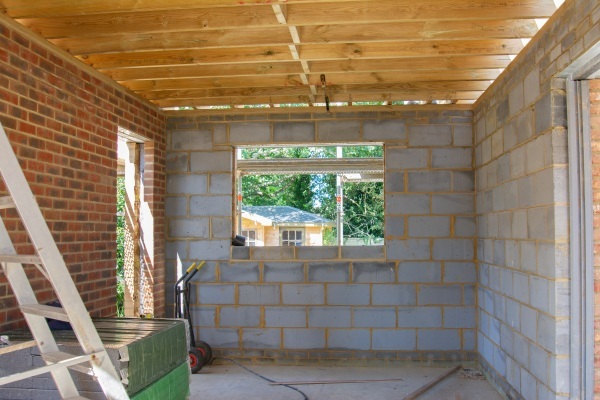
Pre-Build Stage
The pre-build stage is crucial for laying a solid foundation for your self-build project. Land insurance is essential to ensure that the land is free of restrictive covenants or access issues, such as the absence of easements. It’s important to work with a solicitor to check land usage restrictions and any potential legal hurdles. Specific policies can be obtained to cover pre-construction issues like Rights of Light legislation, which can prevent you from obstructing your neighbours’ access to natural light. These measures help protect your investment from legal and financial complications before you even break ground.
During Construction
During the construction phase, site insurance becomes vital. This coverage protects materials, tools, and equipment on-site, as well as any damage that might occur due to accidents, weather, or theft. Contractor’s insurance is equally important to ensure that all builders and subcontractors have credible insurance, covering liability for any accidents or damage they might cause. This comprehensive coverage not only safeguards your project but also provides peace of mind, allowing you to focus on the build without constant worry about potential setbacks.
Post-Completion
Once your self-build project is complete, transitioning to a standard home insurance policy is necessary. This ensures continuous coverage for your new home, protecting it from issues that may arise after the build, such as latent defects or disputes. Maintaining this coverage is crucial to protect your investment and provide ongoing financial security. By ensuring that you have the right insurance in place at each stage, you can enjoy your results with confidence, knowing that your dream home is well-protected.
Common Challenges and How Self-Build Insurance Helps

Self-build projects are fraught with potential pitfalls, such as contractor disputes, boundary issues, and neighbour complaints. For example, a contractor might delay the project or cause damage, leading to additional costs and delays. Boundary issues can arise if your construction encroaches on neighbouring property, potentially resulting in legal disputes. Neighbour complaints, particularly regarding noise or access to light, can also halt your project.
Self-build insurance provides financial and legal relief in these worst-case scenarios. For instance, if a contractor causes damage, your insurance can cover the repair costs. If a neighbour files a complaint, insurance can help cover legal fees and settlement costs, ensuring that you can resolve issues without incurring significant financial burdens. This coverage offers peace of mind and protects your investment throughout the construction process.
Choosing the Right Self-Build Insurance
When selecting self-build insurance, it’s crucial to look for a policy that offers comprehensive coverage and transparent terms. Ensure the policy covers all potential risks, from site accidents and material damage to legal disputes and latent defects. Assess an insurer’s expertise in self-build projects by checking their track record, client testimonials, and the range of policies they offer. Experienced providers like us at Construction Insure can simplify the process by offering tailored solutions and clear explanations of what you are buying. Our in-depth knowledge and personalised service ensure that you have the right coverage, giving you peace of mind and protecting your investment every step of the way.