

The welding profession is a cornerstone of numerous industries, from construction and manufacturing to automotive and shipbuilding. Welders play a vital role in creating and repairing structures, yet their work comes with significant risks. The intense heat, electrical currents, and exposure to harmful fumes make welding inherently dangerous. Common hazards include burns, eye damage, electrical shocks, and toxic inhalation, all of which can lead to serious injuries or even fatalities. Given these unique risks, welders insurance is crucial. It provides essential protection against accidents and liabilities, ensuring that businesses can continue to operate smoothly even in the face of unforeseen incidents.
Understanding the Hazards of Welding
Burns and Fire Risks
Welding involves extremely high temperatures, often exceeding 3,000°C, which are necessary to melt and fuse metals. These temperatures, combined with the presence of flammable materials, create significant fire hazards. Common causes of burns and fire-related accidents in welding include sparks igniting nearby combustible materials, accidental contact with hot metal, and improper handling of equipment. These injuries can be severe, leading to long-term physical damage and costly medical treatments. For businesses, the financial burden of these injuries includes not only medical expenses and compensation but also potential legal liabilities, making comprehensive insurance coverage a crucial aspect of risk management.
Eye Damage (Arc Eye/Photokeratitis)
Welders are at high risk of eye damage due to exposure to intense ultraviolet (UV) and infrared (IR) light generated during the welding process. Without proper eye protection, welders can suffer from arc eye, also known as photokeratitis, a painful condition similar to severe sunburn of the cornea. Repeated exposure can lead to more serious long-term effects, such as cataracts or permanent vision loss. The importance of using appropriate protective gear, such as welding helmets with UV-filtering lenses, cannot be overstated. Preventive measures are essential, but so is having insurance that covers medical treatments and related costs in case of eye injuries.
Electrical Shock
Welding involves the use of high-voltage equipment, making electrical shock a serious hazard. These shocks can occur due to improper grounding, faulty equipment, or accidental contact with live electrical components. The severity of electrical injuries ranges from minor burns to life-threatening conditions, such as cardiac arrest. For welders, the physical consequences can be devastating, and for businesses, the financial implications are significant. Beyond the immediate medical costs, there are potential legal claims and downtime associated with such accidents. This underscores the need for comprehensive insurance that protects against the financial fallout of electrical accidents and ensures business continuity.
Fumes and Toxic Exposure
Welding produces hazardous fumes containing toxic substances like manganese, hexavalent chromium, and nickel. Inhaling these fumes can lead to serious health issues, including respiratory problems, neurological damage, and even cancer. Long-term exposure increases the risk of chronic illnesses, which can be debilitating for welders. The health risks are compounded by the fact that symptoms may not appear immediately, leading to delayed diagnoses and treatment. Regulatory requirements mandate protective measures, but accidents and exposures still occur. Insurance plays a vital role in covering the medical costs associated with these health risks and protecting businesses from potential lawsuits related to toxic exposure.
Types of Insurance Policies for Welders
Public Liability Insurance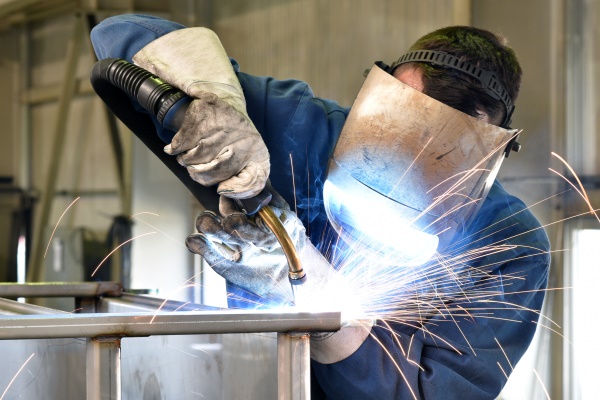
Public liability insurance is crucial for welders as it covers claims made by third parties for injury or property damage resulting from welding activities. For example, sparks from welding could ignite a fire, causing damage to a nearby building, or a passerby could be injured by flying debris. In such scenarios, public liability insurance would cover the legal costs and compensation payments, protecting the welder from significant financial loss. When selecting a public liability insurance policy, welders should consider the coverage limits, the scope of protection, and any specific exclusions to ensure they are fully protected against potential claims.
Employers’ Liability Insurance
Employers’ liability insurance is a legal requirement for welding businesses in the UK that employ staff. This insurance provides coverage for employee injuries or illnesses that occur as a result of their work activities. Given the hazardous nature of welding, which includes risks like burns, eye damage, and inhalation of toxic fumes, employers’ liability insurance is essential for protecting both employees and the business. Without this coverage, a welding business could face substantial costs from compensation claims and legal fees, potentially jeopardizing its financial stability. This insurance is a vital safeguard that ensures businesses can continue operating even in the face of costly claims.
Professional Indemnity Insurance
Professional indemnity insurance is particularly relevant for welders who offer design, consulting, or expert advice as part of their services. This insurance protects against claims of negligence, errors, or inadequate service delivery. For instance, if a welding design provided by a contractor fails, leading to project delays or additional costs, the client could file a claim for damages. Professional indemnity insurance would cover these claims, shielding the welder from financial loss. Unlike public liability insurance, which covers physical damage and injury, professional indemnity insurance addresses issues related to the quality and accuracy of professional services provided.
Tools and Equipment Insurance
Welders rely heavily on specialized tools, machinery, and equipment, making tools and equipment insurance essential. This type of insurance covers the cost of replacing or repairing tools that are stolen, damaged, or lost. For example, if a welder’s equipment is damaged in a fire or stolen from a job site, the financial implications could be significant, particularly for small businesses. Tools and equipment insurance ensures that these vital assets are protected, allowing the business to continue operations without costly interruptions. When choosing a policy, welders should consider the value of their equipment, the specific risks they face, and the comprehensiveness of the coverage provided.
The Benefits of Welders Insurance
Financial Protection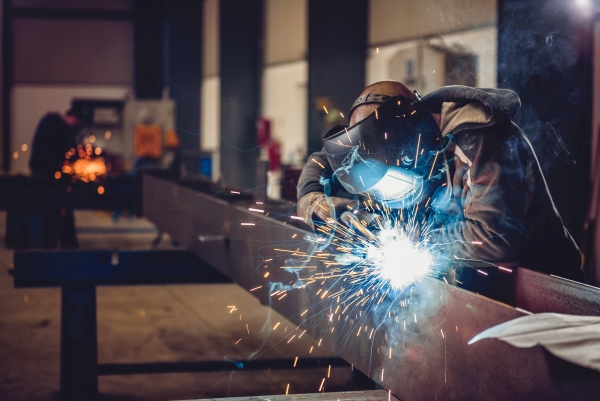
Welders insurance provides critical financial protection by covering the costs associated with accidents, injuries, and property damage that could otherwise devastate a business. For example, if a welder accidentally causes a fire that damages a client’s property, the resulting repair costs and legal fees could be financially crippling without insurance. Similarly, if a worker suffers a severe burn and requires extensive medical treatment, the lack of adequate coverage could lead to significant out-of-pocket expenses. Insurance policies safeguard welders from these risks, ensuring that they are not left vulnerable to potentially ruinous financial impacts.
Legal Compliance
Meeting legal requirements is another key benefit of welders insurance, particularly for employers’ liability insurance, which is mandatory in many regions, including the UK. Failure to comply with these regulations can result in substantial fines, legal action, and even the forced closure of the business. Beyond legal obligations, many contracts require welders to carry specific types of insurance, such as public liability insurance, to qualify for certain projects. By maintaining the necessary insurance coverage, businesses not only avoid legal penalties but also ensure they meet all regulatory and contractual requirements, protecting their operations and securing business opportunities.
Peace of Mind and Business Continuity
Having the right insurance provides welders and business owners with peace of mind, knowing they are protected against unforeseen events. This security allows them to focus on their work without the constant worry of potential accidents, claims, or financial losses. In the event of an incident, insurance plays a crucial role in maintaining business continuity, covering the costs of repairs, replacements, or legal fees, and minimizing downtime. Additionally, comprehensive insurance coverage enhances a business’s reputation, demonstrating to clients that the company is reliable and responsible, which in turn builds trust and helps secure long-term contracts and relationships.
In summary, welders face numerous hazards, from burns and electrical shocks to toxic fume exposure, making the need for comprehensive insurance coverage essential. The risks inherent in welding can lead to significant accidents, injuries, and financial losses, highlighting the importance of securing the right insurance policies. Comprehensive welders insurance not only provides protection against these dangers but also ensures business continuity and legal compliance. By safeguarding against unforeseen events, the right insurance policies contribute to the long-term success and stability of a welding business, offering peace of mind and reinforcing the trust and confidence of clients and partners alike.