The Cover Gaps Costing Developers Money In Renovation

May 22nd 2026

When a renovation project goes wrong, the first sign of trouble is often two insurers pointing at each other. The contractor’s public liability insurer says negligence hasn’t been proven. The buildings insurer says the property sat empty too long and cover has been cut back. The developer is left with a large reinstatement bill and no clear route to a payout.

This is not an unusual outcome. It is one of the most common patterns in renovation insurance disputes, and it almost always comes back to the same root cause: the policies in place were built for a different kind of risk. Continue reading “The Cover Gaps Costing Developers Money In Renovation”

Public Liability vs Employers’ Liability: What Every Contractor Must Know

May 15th 2026
An insurance provider and a client are signing an insurance agreement, accepting the terms and benefits.

A subcontractor falls from height on your site and sustains a serious spinal injury. His claim lands on your desk. You reach for your public liability policy. Your insurer declines the claim.

That single misunderstanding, one that occurs regularly across the UK construction industry, can leave a business facing six-figure damages with no cover in place. Public liability and employers’ liability are distinct policies that protect against entirely different risks. Treating them as interchangeable, or assuming one fills the gap left by the absence of the other, is one of the most consequential insurance mistakes a contractor can make. Continue reading “Public Liability vs Employers’ Liability: What Every Contractor Must Know”

Plant Theft Is Rising and Most Sites Are Not Ready

May 8th 2026

Plant and equipment theft costs the UK construction industry an estimated £800 million every year. That figure covers stolen excavators and telehandlers, but also generators, power tools, copper cable, and fuel.

The losses extend well beyond the value of the equipment itself. A stolen machine can halt a programme, trigger penalty clauses, and leave a contractor chasing a replacement hire at short notice. Continue reading “Plant Theft Is Rising and Most Sites Are Not Ready”

Retention Ban and Building Safety Levy: Act Now

April 30th 2026

Two significant changes are bearing down on UK construction at the same time. The government has announced a ban on retention payments in construction contracts. And the Building Safety Levy goes live on 1 October 2026, charging developers on new residential projects submitted for building control approval from that date.

Neither of these is a distant proposal. Both require action now, not when the legislation lands. This article sets out what each change involves, who it affects, and what you should be doing about it today. Continue reading “Retention Ban and Building Safety Levy: Act Now”

CAR vs Contract Works: Which Cover Do You Need?

April 24th 2026

Ask ten contractors whether CAR insurance and contract works insurance are the same thing and you will get at least three different answers. The terms are used interchangeably across the industry by brokers, insurers, and building contractors alike, and in many contexts they do refer to the same core protection. But there is a meaningful difference between them, and misunderstanding it can leave gaps in your cover that only become apparent when you try to make a claim.

This article sets out what each term means, what each type of policy does and does not cover, and how to work out which arrangement suits the work you do. Continue reading “CAR vs Contract Works: Which Cover Do You Need?”

What Happens to Insurance When a Project Overruns?

April 17th 2026

Most construction projects run late. That is not a criticism of the industry, it is one of the most consistently documented facts about it. Supply chain failures, labour shortages, client variations, bad weather, planning delays: the list of things that can push a completion date back is long and familiar to anyone who works on site.

The problem is that your insurance policy does not care about any of that. A fixed-term contract works policy has a completion date written into the schedule, and if your project runs past that date without a formal extension in place, cover can simply cease. You could be working on an uninsured site and not realise it until something goes wrong. Continue reading “What Happens to Insurance When a Project Overruns?”

Do Subcontractors Need Their Own Insurance?

April 10th 2026

Do subcontractors need their own insurance? The short answer is that it depends on how the subcontractor is classified. That classification matters enormously, both for the subcontractor’s own protection and for keeping the main contractor’s policy valid.

UK insurers recognise two types of subcontractor, and each comes with different subcontractor insurance obligations. Getting this wrong does not just create gaps in cover; it can invalidate a claim entirely.

This guide explains the distinction, what insurance subcontractors need, what main contractors must check, and the mistakes that regularly leave contractors out of pocket. Continue reading “Do Subcontractors Need Their Own Insurance?”

Extreme Weather Reshaping Construction Insurance Cover in the UK

March 27th 2026

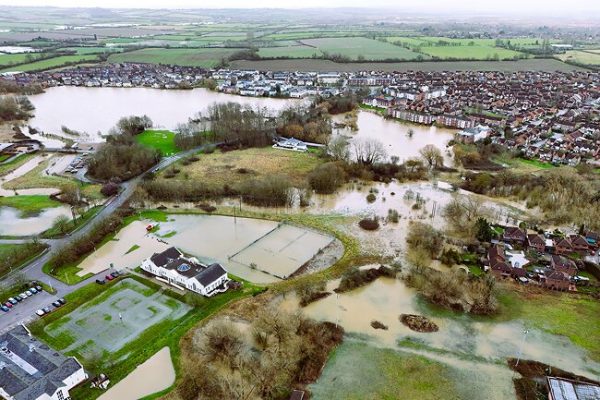
Extreme weather construction insurance is quickly becoming essential for contractors across the UK. From prolonged heatwaves and flash flooding to named winter storms, unpredictable weather is disrupting projects, increasing costs and exposing gaps in traditional construction insurance cover.

For site owners, developers and contractors, the question is no longer if severe weather will impact a project, but when. The right protection can mean the difference between a manageable setback and a serious financial loss. Continue reading “Extreme Weather Reshaping Construction Insurance Cover in the UK”

What Is a Performance Bond? A Guide for UK Construction Projects

March 20th 2026

What They Are, Why Lenders Require Them, and How They Work

In construction, a performance bond is a financial guarantee that ensures a contractor completes a project according to the agreed terms. Think of it as a safety net for project owners and lenders: if the contractor fails to deliver, the bond provides compensation to cover the costs of completing the work.

Increasingly, lenders and project owners in the UK are insisting on performance bonds, particularly for larger developments or projects involving significant financing. With construction costs rising and contractor insolvencies a real risk, these bonds give stakeholders confidence that their investment is protected. Continue reading “What Is a Performance Bond? A Guide for UK Construction Projects”

Why Cheap Construction Insurance Rarely Survives Serious Claims

March 13th 2026

When it comes to construction projects, it’s tempting to opt for the cheapest insurance quote. After all, why pay more if the law only requires a basic level of cover?

But what many builders don’t realise is that low-cost policies often leave significant gaps. When a serious incident occurs, a site accident, damage to machinery, or a legal dispute, these “bargain” policies can fail, leaving you personally and financially exposed. Continue reading “Why Cheap Construction Insurance Rarely Survives Serious Claims”