

Only around a third of construction products sold in the UK are currently covered by a proper safety standard. The rest sit in a grey area, tested against trade rules rather than safety rules, and often carrying marks that look official but were never designed to prove a product is safe to use.
The government’s construction products reform white paper is trying to close that gap. It follows the Grenfell Tower Inquiry and sets out a plan to make every construction product accountable for its safety, not just the ones already covered by a standard.
Nothing in the white paper is law yet. But the direction is clear, and it raises a question every contractor, developer and specifier should be asking now. If a product fails on your site, who actually carries the risk?
What Is the Construction Products Reform White Paper
The construction products reform white paper was published by the Ministry of Housing, Communities and Local Government in February 2026. It follows an earlier Green Paper from 2025 and responds directly to the Grenfell Tower Inquiry, along with independent reviews into how construction products are tested and sold.
The core message is blunt. The current system for regulating construction products was built to reduce trade barriers, not to protect people. That system allowed unsafe materials to reach a building where 72 people lost their lives.
The white paper sets out a broad reform programme covering testing, certification, accountability and digital record keeping. A consultation on the detail ran until 20 May 2026, and any changes will need new legislation before they come into force.
The General Safety Requirement, Explained Simply
The centrepiece of the reform is something called the General Safety Requirement, or GSR.
Right now, only about 37 per cent of construction products have a designated safety standard behind them. Everything else, including many everyday materials, currently sits outside proper safety oversight.
Under the GSR, that changes. Manufacturers of products with no existing standard will need to:
- Assess the safety risks of their product in normal and reasonably foreseeable use
- Take proportionate steps to remove or reduce those risks
- Do this before the product is placed on the market, not after a problem is found
Importers and distributors would also have duties to support product safety, rather than simply passing products down the chain.
Products with Designated Standards vs Products Under the GSR
It helps to think of this as two tracks.
Products already covered by a designated standard carry on much as before. Manufacturers must declare the product’s performance and carry the correct product mark.
Products with no existing standard fall under the new GSR instead. These products currently have no formal safety check at all, which is exactly the gap the reform is designed to close.
Safety Critical Products and What Changes for Fire Doors and Similar Items
Some products get an extra layer of scrutiny. The white paper introduces a category for products that are critical to safe construction, meaning their failure could put lives at risk.
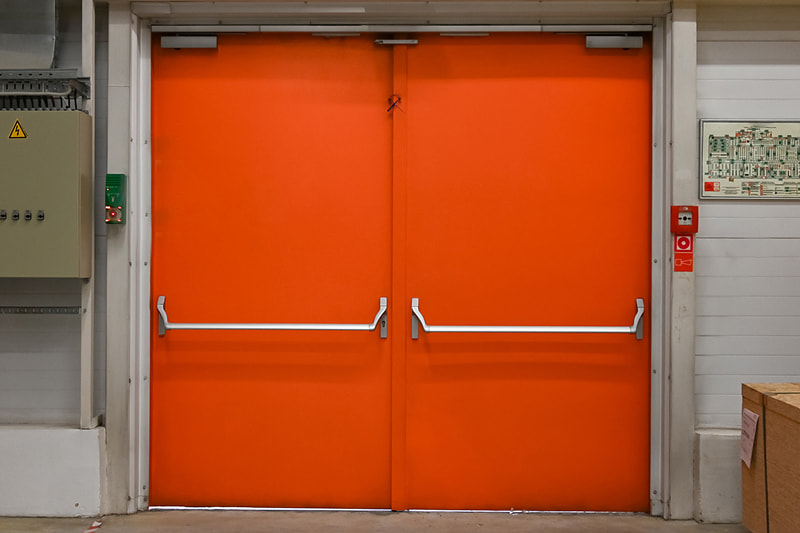
Fire doors are the example used repeatedly in the guidance. A fire door that fails to perform as expected is not a minor defect. It is a life safety issue.
A new national regulator for construction products will decide which products fall into this category and set out what are described as safety critical scenarios, along with guidance on how to manage them.
Who Carries the Risk, Manufacturer, Distributor or Contractor
This is where the reform gets complicated, and it is the part contractors should pay closest attention to.
The white paper places responsibility across the whole supply chain. Principal Designers are expected to ensure that what they specify is suitable and safe. Principal Contractors are expected to ensure the product is installed correctly and appropriately.
That sounds reasonable on paper. In practice, the line between the two is not yet clear. The National Federation of Roofing Contractors raised this directly in its response to the consultation. Their view is that a contractor should only be responsible for following the installation instructions and any mitigation measures set out by the manufacturer or principal designer, not for the underlying safety of the product itself.
Their concern is a fair one. If that boundary stays fuzzy, contractors could find themselves exposed to liabilities they had no real ability to control, simply because they installed a product exactly as instructed.
For anyone taking on liability that isn’t clearly defined by contract, it is worth understanding how long that exposure can actually last. Our guide on how long builders remain liable for their work sets out the legal timeframes involved.
Why This Matters for Civil Claims
There is also a legal mechanism that makes this more than a compliance issue.
Section 148 of the Building Safety Act 2022 already allows claims against anyone who fails to meet a construction product requirement, where that failure contributes to a building being unfit to live in. As the GSR tightens what “meeting the requirement” actually means, the pool of people who could be pulled into a claim gets wider.
That includes contractors who assumed they were simply following instructions.
What This Could Mean for Your Insurance Cover
As product regulation tightens, product liability claims are expected to rise. Stricter rules mean clearer breaches, and clearer breaches mean stronger grounds for a claim.
That makes now a sensible time to check that your cover actually matches where responsibility sits. Public liability cover is the obvious starting point, since it deals with claims arising from injury or damage caused by defective products or workmanship. It’s worth reviewing your public liability insurance against the type of work you take on and the products you regularly install.
If your role involves specifying products as well as installing them, professional indemnity is also worth a look, since design and specification decisions carry a different kind of risk to installation alone.
What to Do Now, Before Anything Becomes Law
You don’t need to wait for the legislation to land before tightening things up. A few practical steps make a real difference:
- Keep clear records of the product instructions and mitigation measures you were given, and when
- Ask suppliers and principal designers for evidence that a product has been properly assessed, not just marked
- Review your contracts to check where liability for product safety actually sits
- Speak to your broker about whether your current cover reflects your real exposure
If you’re not sure your policy reflects the risk you’re actually carrying, it’s worth getting a quote based on your current work, not a policy you took out years ago.
Getting Ahead of Construction Products Reform
The direction of travel here is not really in doubt. Regulation is moving from a system built for trade towards one built for safety, and responsibility is being spread across the whole supply chain rather than sitting with manufacturers alone.
For contractors, that means two things matter more than ever. Know exactly what you are responsible for under your contracts, and make sure your insurance actually reflects that responsibility. The businesses that get ahead of this now will be far better placed than those still working it out once the rules are finalised.
Frequently Asked Questions
Is the construction products reform white paper law yet?
No. It is a government white paper with a consultation that closed in May 2026. Changes will need new legislation before they take effect.
What is the General Safety Requirement?
A proposed rule requiring manufacturers to assess and manage safety risks for construction products that are not already covered by an existing standard.
Who is responsible if a product fails after installation?
This is still being worked out. Manufacturers, principal designers and principal contractors may all carry some responsibility, and trade bodies are pushing for clearer boundaries between them.
Does this affect small contractors and sole traders?
In principle, yes. The reforms apply across the supply chain, though industry bodies are asking for proportionate treatment of smaller businesses.
Should I review my insurance now?
It’s a sensible precaution. Checking that your current cover reflects your actual responsibilities, particularly around product liability, is worth doing ahead of any changes taking effect.