
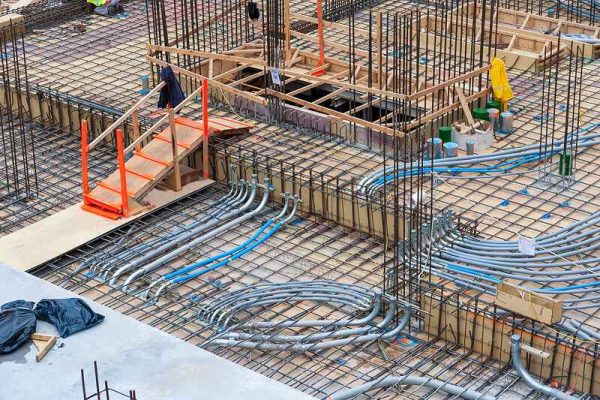
The digger arrives. The first cut goes into the ground. From that moment, everything below the surface becomes unpredictable.
Groundworks is where a project turns from paper into reality, and it’s also where risk becomes hardest to control. Generic construction insurance is usually built with finishing trades in mind, painters, plasterers, joiners. It rarely accounts for what happens when work moves underground.
This article explains exactly which risks fall outside standard cover, and what groundworks insurance actually needs to include.
What Makes Groundworks Different From Other Trades
Most construction trades work above ground, on surfaces you can see. Groundworks doesn’t.
Excavation means working with soil conditions you can’t always predict, plant that carries its own risks, and buried infrastructure that may not sit where the plans say it does. This combination creates four risks that generic policies often don’t handle well:
- Ground collapse and movement
- Underground utility strikes
- Vibration damage to nearby structures
- Damage to third-party property from plant or tools
The rest of this article looks at each one, and what proper groundworks insurance should cover.
Excavation Collapse and Ground Movement
Why Collapse Risk Is Higher Than People Assume
Trench walls can give way without warning. Soil conditions change with weather, depth, and what’s already buried nearby. Under UK construction regulations, contractors have a legal duty to plan and manage excavation work safely, but even careful planning can’t remove the risk entirely.
What Cover Should Respond
Public liability insurance covers injury to workers or the public if a collapse causes harm. A contractors all risks policy protects damage to the works themselves.
Gaps tend to appear where risk assessments are thin or missing. Insurers expect to see proper method statements and evidence that ground conditions were checked before work began.
Underground Utility Strikes: The Risk Generic Policies Ignore
This is one of the most common and expensive risks in groundworks, and one that standard tradesman policies frequently overlook.
UK contractors carry out around 4 million excavations a year, and roughly 60,000 of these result in a strike on a buried cable, gas main, or water pipe. The combined cost of repairs, delays, and disruption from these strikes is estimated at around £2.4 billion a year across the industry.
The human cost matters just as much. Contact with underground electricity cables alone causes around 12 deaths and 600 serious injuries a year in the UK. One UK survey found that 31% of tradespeople admit they don’t always check for cables before digging, yet 93% believe they always dig safely. That gap between confidence and actual behaviour is exactly where strikes tend to happen.
Why Standard Cover Falls Short
Contractors all risks cover usually protects the works and materials on site. It doesn’t typically extend to damage caused to someone else’s utility infrastructure.
This means public liability insurance is usually the policy that actually responds when a strike happens. If your policy limits are too low, or your work type isn’t declared accurately, you could be left covering repair costs, compensation, and legal fees yourself.
Picture a groundworks contractor excavating for a new drainage run who clips a fibre cable. Repairs are the smallest part of the bill. The bigger costs come from lost service to nearby homes and businesses, and any compensation claims that follow. This is exactly the kind of loss groundworks insurance needs to be built around, not treated as an afterthought.
Vibration and Damage to Neighbouring Structures
Vibration damage is easy to underestimate because it doesn’t always show up straight away.
Excavation and heavy plant movement can cause cracking, settlement, or subsidence in nearby buildings, particularly on tight urban sites or where work sits close to a boundary wall. These situations often turn into disputes over who is liable and who pays for repairs.
A groundworks contractor operating a digger close to a boundary wall might cause settlement cracking in the property next door weeks later. Without the right liability cover in place, resolving that dispute becomes far more difficult and far more costly.
Plant, Tools and Third-Party Property Damage
Plant and tools represent a serious financial exposure on top of liability risk.
Theft from site is common, especially out of hours. Hired-in plant is another area contractors often get wrong, assuming it’s automatically covered when it usually isn’t. Hire agreements typically make the contractor responsible for the equipment, so a gap in cover here can mean a large unexpected bill.
A simple example: a digger left running on a client’s drive causes damage to fencing and the front garden. It’s a small incident, but without the right cover, the cost falls straight on the contractor.
What Main Contractors Actually Expect to See
For most main contractors, insurance evidence is part of onboarding, not an afterthought.
Before you’re allowed on site, you’ll typically need to show proof of public liability and employers’ liability cover, often at higher limits than a smaller job would require. Missing or inadequate cover can lose you a contract before work even starts, regardless of how strong your bid is.
This is where a tailored trades policy that matches your actual scope of work matters more than the cheapest quote available.
Building a Groundworks Insurance Package That Actually Fits
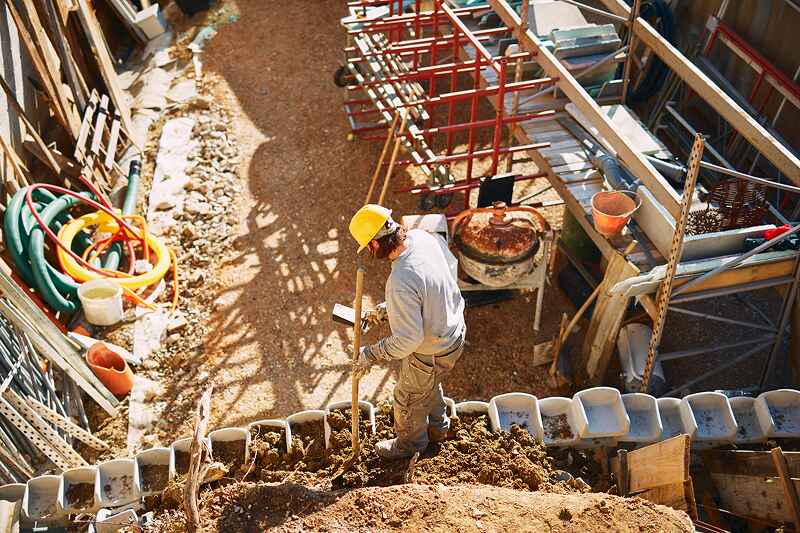
A proper package brings public liability, employers’ liability, contractors all risks, and plant cover together, scaled to what you actually do on site.
The right combination depends on:
- Depth and type of excavation
- Whether you’re working near existing structures
- Contaminated or unstable ground
- Urban proximity and boundary risk
- Value of owned and hired plant
Take a groundworks contractor who had been running on a generic tradesman policy for years. After a near-miss utility strike, they reviewed their cover properly and moved to a package built specifically around groundworks and civil engineering risk, including higher public liability limits and full protection for hired-in plant. They didn’t just close a gap. They also found it easier to win larger contracts, because their insurance now matched what main contractors expected to see.
That’s really the difference groundworks insurance is meant to make. It’s not about ticking a compliance box. It’s about cover that actually reflects what you dig into every day.
Getting Cover That Matches What You Actually Dig Into
Groundworks carries risks that most construction insurance simply wasn’t designed for. Collapse, utility strikes, vibration damage, and plant exposure all sit outside what a generic policy typically handles well.
The practical next step is straightforward. Review your current cover against the work you actually do, not the work your policy assumes you do. If you’re bidding for larger contracts, check that your limits match what main contractors are asking for.
If you’d like your current cover checked against your actual site risks, you can get a quote from a specialist who understands groundworks.
FAQ
Do groundworkers legally need public liability insurance?
Not by law, but most contracts require it in practice, and many main contractors won’t allow you on site without it.
Does contractors all risks cover a utility strike?
Usually only the works themselves. Damage to third-party utilities is typically a public liability matter, not a contract works one.
Is hired-in plant automatically covered?
Not always. It often needs a specific extension or separate cover, so it’s worth checking your policy schedule carefully.
What affects groundworks insurance premiums most?
Claims history, type of work, turnover, and evidence of risk management such as method statements and site controls.
What happens if I don’t have adequate cover and cause damage?
You could be personally liable for repair costs, compensation, and legal fees, which can be significant after a strike or collapse.