
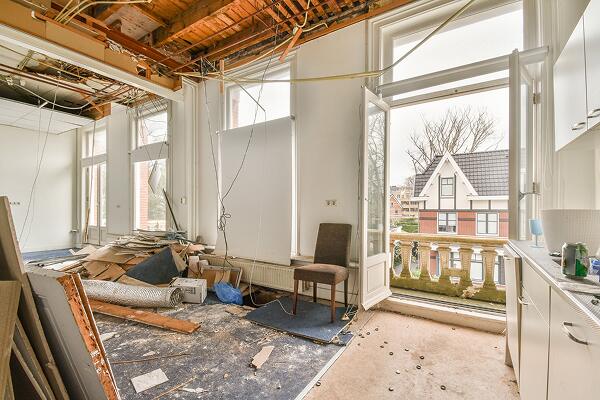
Why Your Standard Policy May Not Cover You
Most homeowners assume their buildings insurance just keeps working in the background, no matter what they do to the property. Then a renovation starts, and that assumption gets tested.
Research from Alan Boswell Group found that 86% of property owners do not tell their insurer about work being carried out on their home, which puts their policy at risk of being voided. That is not a small oversight. It is the single most common reason a renovation ends up costing far more than the building work itself.
This article explains what your standard house insurance actually covers during renovation, what it does not, and when you need something more specific. By the end, you will know exactly what to check before the first wall comes down.
What Happens To Your Home Insurance When You Renovate
Standard home insurance is priced around a stable, lived-in property. It assumes normal daily use, not scaffolding, skips, and tradespeople coming in and out every day.
Once renovation work starts, the risk profile of your home changes. There is more activity, more people on site, materials stored in the open, and a higher chance of accidental damage. Insurers price policies around risk, so when that risk shifts significantly, your existing cover may not stretch to match it.
This does not always mean your policy is cancelled outright. Sometimes it means specific claims related to the work would be refused. Sometimes it means the whole policy becomes invalid if you have not told your insurer what is going on. The difference matters, and it usually comes down to how big the job is.
Cosmetic Work Versus Structural Work
Insurers generally draw a line between cosmetic improvements and structural changes.
Cosmetic work usually includes:
- Painting and decorating
- Replacing flooring
- Fitting new taps or light fittings
- Minor kitchen or bathroom refreshes
Structural work usually includes:
- Rewiring or major replumbing
- Removing or altering internal walls
- Building an extension
- Loft conversions or basement digs
Cosmetic jobs are typically fine under a standard policy. Structural work is where you need to stop and check, because this is exactly where standard cover starts to fall short.
Why Standard Buildings Insurance Falls Short During Renovation
A standard buildings policy is not built to handle the risks that come with active construction work. There are three gaps that catch people out most often.
The first is accidental damage caused by the work itself. If a contractor’s mistake causes subsidence, or a wall comes down in the wrong way, a standard policy will often exclude damage linked to demolishing, altering or repairing the building.
The second is underinsurance. Renovation work changes the rebuild cost of your home. According to Confused.com, 76% of UK buildings are underinsured, and a renovation is one of the most common reasons a sum insured falls out of date. If your cover was set before the work and you have added an extension or significant structural change, your rebuild figure may no longer reflect reality.
The third is cost. Confused.com data shows the average buildings insurance quote for a property with work in progress is £296, compared with £174 for a standard quote with no work happening. That gap exists because insurers know the risk during renovation is genuinely different, not just on paper.
Some insurers do build a small allowance into their standard policy. Homeprotect, for example, includes cover for renovation work as part of a standard policy as long as the total value is under £20,000. This is useful context, but it also shows why you cannot assume a blanket rule applies. Every insurer sets its own threshold, so the only safe approach is to check your specific policy wording rather than guess based on what a friend’s insurer allowed.
This is where house insurance when renovating starts to look less like a formality and more like something you need to actively manage.
When You Need Specialist Renovation Insurance
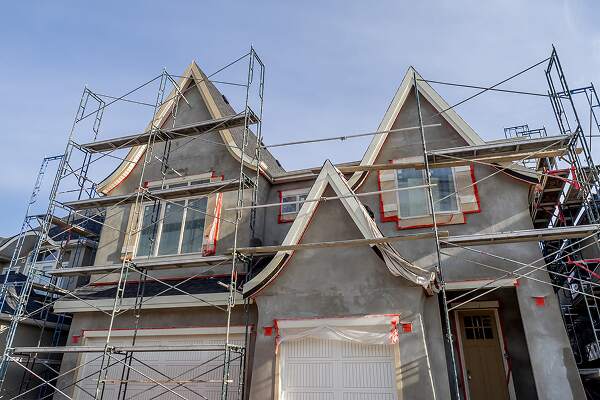
As a general guide, anything over roughly £25,000 in project value, or any structural change, is worth flagging to a specialist. This is not a hard legal threshold, but it reflects where most standard policies start to struggle.
Specialist renovation insurance is designed to sit alongside or replace your standard cover for the duration of the project. It typically protects against:
- Accidental damage to the existing structure
- Theft of materials or tools left on site
- Personal accident cover for anyone working there
- Legal cover if a dispute arises with a contractor
You can view the details of what this covers on our renovation insurance page, which is built specifically around the gap left by standard home policies.
Renovation Insurance Versus Contract Works Insurance
These two terms get mixed up constantly, and the confusion is understandable because they overlap in places.
Renovation insurance, sometimes called buildings insurance during renovation, protects the existing structure and its contents while work is happening. It is essentially an extension of your home insurance, adjusted for the fact that building work is underway.
Contract works insurance is different. It covers the works themselves, meaning the new extension, the loft conversion, or the materials being used to build it. It can also include public liability and employer’s liability if you are managing subcontractors directly rather than going through a single main contractor.
Put simply, renovation insurance protects what already exists. Contract works insurance protects what is being built. A larger project, particularly one involving an extension or a new structure, often needs both working together rather than one instead of the other.
The Risks People Forget About
Beyond the obvious structural exclusions, there are a few risks that catch homeowners out because they simply do not think to ask.
Moving out during a renovation is one of them. Most insurers apply a vacancy limit, often around 60 days, after which standard cover for an unoccupied property starts to change. If your project overruns, and most do, you could find yourself outside that window without realising it.
Contractor liability is another. Many homeowners assume their builder’s own insurance protects them personally if something goes wrong. It does not, at least not automatically. A contractor’s policy generally covers their liability towards third parties, not gaps in your own buildings cover. It is worth checking what cover your builder actually holds. Our guide on builder’s insurance breaks down what a properly insured contractor should have in place.
Neighbour disputes are a quieter risk. Structural work, especially anything affecting shared walls or boundaries, has a habit of creating disagreements that end up needing legal input. Some renovation and buildings policies allow you to add legal expenses cover for exactly this reason.
What This Looks Like In Practice
A useful, if extreme, example comes from a case reported in the US. A homeowner spent three years and tens of thousands of pounds renovating a property, including a basement dig to create extra headroom. During that final stage of work, the walls of the house began to collapse. The homeowner then found himself in a dispute with his insurer over whether the loss counted as covered damage or excluded structural failure caused by the renovation itself.
The details differ from a typical UK claim, but the underlying lesson does not. The moment renovation work moves from cosmetic to structural, particularly anything involving digging, demolition or altering the building’s foundations, the question of what your policy actually covers becomes far more important than most homeowners expect.
In the UK, the equivalent scenario would usually come down to whether the insurer was told about the work in advance, and whether the right renovation or contract works cover was in place before the damage happened.
How To Protect Yourself Before Work Starts
A few practical steps make a real difference here, and none of them require specialist knowledge.
- Contact your insurer before work begins, not after
- Give them the scope, cost and expected timeline of the project
- Ask directly whether structural work is covered under your existing policy
- Check the vacancy rules if you plan to move out during the build
- Confirm your contractor holds adequate public liability cover, typically at least £2 million
- Reassess your rebuild cost once the work is finished
If you are not sure which type of cover fits your project, it is worth getting tailored advice rather than guessing. You can get a quote based on the specifics of your renovation, rather than trying to fit it around a standard policy that was never designed for building work.
Getting Cover Right Before You Pick Up A Tool
The pattern here is consistent across almost every case. Homeowners assume their existing policy will simply flex to cover renovation work, and in a lot of cases it will not.
Checking your policy before work starts costs nothing and takes very little time. Discovering a gap after something has gone wrong is a far more expensive way to find out the same information.
If your project involves anything beyond cosmetic changes, it is worth treating house insurance when renovating as a separate task on your project list, not an afterthought once the building work is already underway. Our property owners insurance page has further detail if your renovation is part of a wider development or letting plan.
Frequently Asked Questions
Do I have to tell my insurer about a small renovation?
No. Cosmetic work like painting, new flooring or replacing fittings usually does not need reporting. Structural changes do.
What size project needs specialist renovation insurance?
As a rough guide, anything over £25,000 or involving structural work, though this varies between insurers.
Does my contractor’s insurance cover me as the homeowner?
Not usually. It typically covers their liability towards others, not gaps in your own buildings cover.
What if I move out while the work happens?
Check your policy’s vacancy limit, often around 60 days, since an overrunning project can push you past it without warning.
When can I switch back to a standard policy?
Once the renovation is finished and your rebuild cost has been reassessed to reflect the completed work.